Heart Focus – Move more to keep your heart healthy.

Did you know just two hours of walking a week may reduce heart disease risk by up to 53%?

According to recent research, physical activity levels for Australians are declining, particularly among those aged 30 to 44 years. Across all age groups, around 15% live sedentary lives.

While some Australians are keeping active, the sad truth is only over half of all Australians exercise enough to gain the health benefits of increased fitness, reduced body fat and lowered risk of obesity-related disorders.

Enjoyment is key.

If you find it hard to stick with regular exercise, the key is enjoyment. Find activities you enjoy doing, to help you stay on track. Vary your weekly activities or exercise with friends to help maintain motivation.

Remember – exercise doesn’t have to be running or playing a sport. Gardening, mowing the lawn, washing the car or cleaning the house are all great activities that can get your heart pumping.

If you are just getting started, take small steps and set reachable goals.

  • Aim to walk 10,000 steps each day. Start with 1,000, then next week try for 2,000.
  • Get 30 minutes of moderate intensity activity, five times a week. Moderate-intensity physical activity will cause a slight, but noticeable increase in both your breathing and heart rate and should be carried out for at least 10 minutes. Examples include brisk walking, bike riding or kicking a ball.
  • Do muscle-strengthening exercises on two or more days per week. This is essential for maintaining healthy muscles and preventing loss of bone density. A mixture of weight-lifting, using resistance bands, planks, sit-ups, yoga and Pilates is suitable for muscle strengthening and increasing bone density.


Heart Focus – Manage your blood pressure.

Why focus on your blood pressure?

In Australia nearly 1 in 3 adults have high blood pressure. According to the Australian Bureau of Statistics National Health Survey, just 11% of diagnosed adults have their condition under control. In addition:

  • Uncontrolled high blood pressure increases a person’s stroke risk by up to 6 times.
  • Lowering your blood pressure can reduce the risk of cardiovascular problems such as heart attack, stroke, heart failure and cardiovascular death by 25%.

What is blood pressure?

Blood pressure is the force on your arterial walls as your heart pumps blood around the body.

Your blood pressure does not stay constant throughout the day. The simplest way of explaining this is by comparing your blood pressure to how your body reacts on a roller coaster. When you are on the flat section of a roller coaster you feel relatively relaxed, but when the roller coaster changes speed and direction or descends sharply, your body feels this and reacts by releasing adrenaline and becoming excited.

Similarly, your blood pressure changes throughout the day because your body senses a change in its position, a change in your mood or your activity level etc. This variation in blood pressure is perfectly normal, but it is detrimental to your health when you have a consistently high resting blood pressure.

Your blood pressure is important because if it is too high, it affects the blood flow to your organs.

Five ways to improve your blood pressure.

  1. If you have been prescribed blood pressure medication, ensure that you take it according to your doctor’s guidelines. Why? High blood pressure medication works best when taken as prescribed. Only 20% of people on blood pressure medication take it correctly.
  2. Switch from white bread to brown and/or whole grain bread varieties. As a general rule, the darker the grain, the healthier it is. Why? Studies show that eating three servings of whole grains a day is linked to a reduction in systolic blood pressure (the top number in a blood pressure reading).
  3. Swap one packaged food item each day for a piece of fruit to reduce your salt (sodium) intake. Why? Even a small reduction in the sodium in your diet can improve your heart health and reduce blood pressure by about 5 to 6 millimetres of mercury (mm Hg).
  4. Move more! As little as two 10 minute brisk walks per day may lead to a meaningful reduction in blood pressure. Why? Exercise strengthens your heart so it can pump with less effort, reducing the pressure placed on artery walls. Exercise also burns off the stress chemical cortisol which is linked to vascular dementia.
  5. Choose a relaxing or stress busting activity to do every day (every second day if you can’t fit it in daily). It can be as simple as spending 10 minutes reading your favourite magazine or taking a few minutes for some deep breathing. For example, listening to music daily has been shown to reduce systolic blood pressure. Why? Chronic stress is thought to increase blood pressure due to the release of stress hormones into the body.


Heart Focus – Stay on top of stress.

Many of us know what stress feels like – headaches, muscle tension, moodiness, irritability, difficulty sleeping, low energy and digestive issues.

But it’s what we can’t see or feel that’s most concerning.

The stress hormone cortisol is produced by the body for stress response and survival. However, studies show that high levels of cortisol in the body from long-term stress can increase:

  • Cholesterol
  • Triglycerides
  • Blood sugar
  • Blood pressure
  • Plaque build-up

These are common risk factors for not only cardiovascular disease but also neurological conditions such as stroke, dementia and cognitive decline.

Take control of your stress.

  1. Identify your stress triggers. Knowing your stress triggers gives you a powerful tool to effective stress management. What specifically makes you feel angry, tense, worried or irritable?
  2. Have a ‘go-to’ stress busting strategy for instant relief. Try deep breathing, a quick walk, guided imagery, mindfulness, cold water therapy or five minutes of full body stretching.
  3. Fuel your body with stress-busting nutrients. A poor diet can bring greater reactivity towards stress. Bolster your defence against stress with:
  • B vitamins: eggs, avocado, lean red meat, tuna, lean chicken, milk, oats and nuts.
  • Vitamin D: sunlight, salmon, mushrooms, cheese and natural yoghurt.
  • Vitamin C: citrus fruits, berries, capsicum and broccoli.
  • Magnesium: leafy greens, potatoes, green beans, almonds, pumpkin and turkey breast.


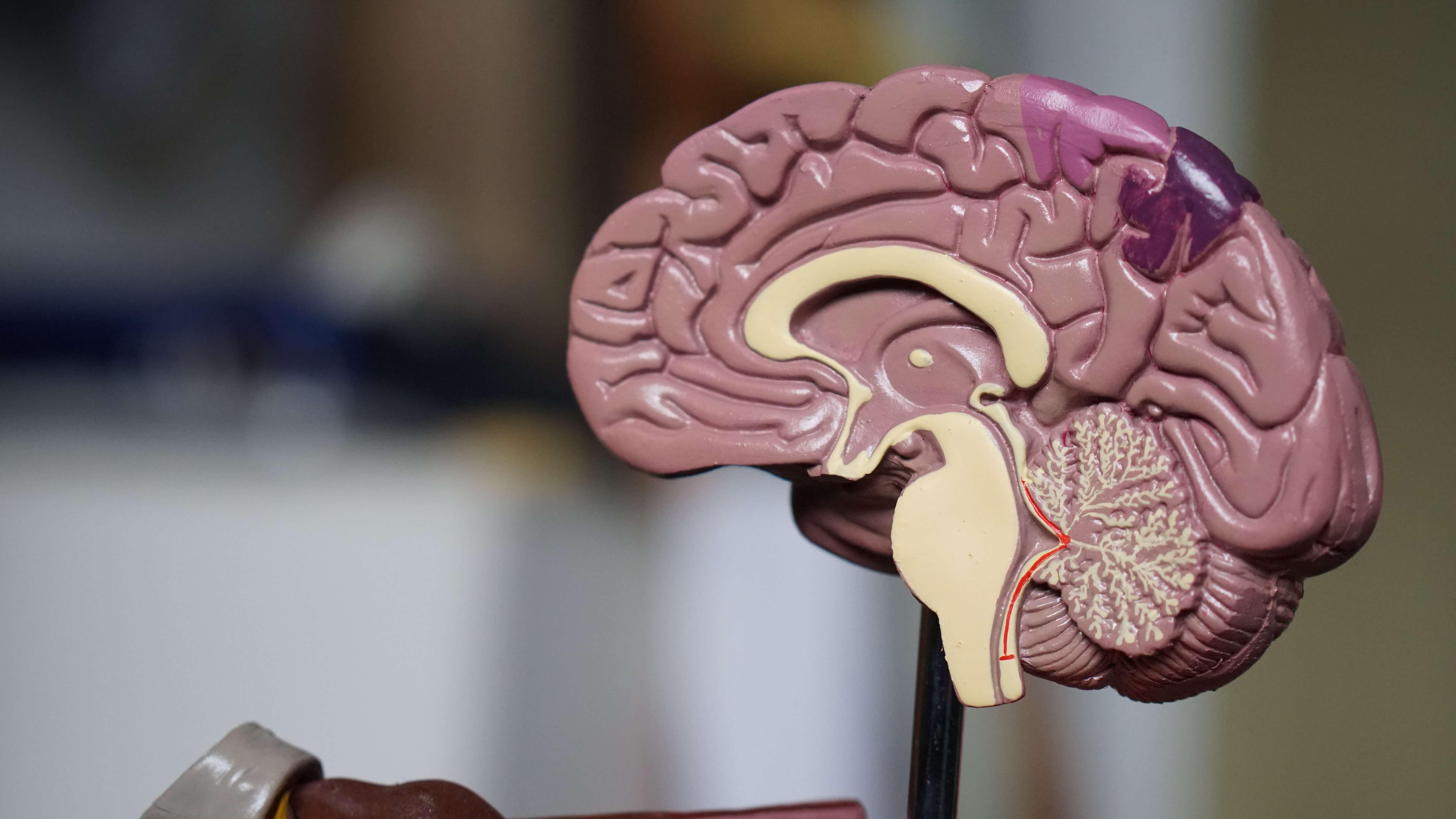
What if everyone knew they had the power of neuroplasticity on their side?

What if every person truly understood this: Your brain is not fixed. Not at 22. Not at 52. Not at 82.

For decades, we were told that once we reached adulthood, our brains were essentially set. Personality was stable. Intelligence was capped. Habits were hardwired. We now know that couldn’t be further from the truth.

Thanks to neuroplasticity – the brain’s lifelong ability to rewire itself – you are constantly changing your brain. With every thought. Every action. Every repeated behaviour. The real question is: are you shaping it intentionally?


Your Brain Is Always Adapting. Neuroplasticity refers to the brain’s ability to:

  • Form new neural connections
  • Strengthen pathways that are used often
  • Prune pathways that are neglected
  • Adapt in response to learning, movement, stress, and recovery


Neurons that fire together, wire together.

If you repeatedly practise calm thinking, you strengthen calm pathways.
If you repeatedly practise catastrophic thinking, you strengthen anxiety pathways.
If you repeatedly move your body, you strengthen motor and cognitive circuits.
If you repeatedly avoid challenge, you strengthen avoidance.

Your brain responds to repetition. It builds what you use.


Eileen Gu: Neuroplasticity in Action. At the Winter Olympics, freestyle skier Eileen Gu captured global attention – not just for her medal-winning performances, but for her mindset.

She said: “It’s so interesting: you can control what you think. You can control how you think, and therefore you can control who you are. Especially as a young person, I’m 22, so with neuroplasticity on my side, I can literally become exactly who I want to be. How cool is that? How empowering is that, right?”

That is neuroplasticity, articulated beautifully. She recognises that thoughts are not random events. They are trainable patterns.

By analysing and modifying her own thinking, she is deliberately reshaping neural circuits. When she visualises a jump, she activates many of the same brain regions used during the physical movement. When she reframes fear as excitement, she alters her stress response. When she practises difficult tricks repeatedly, she strengthens precise motor pathways.

Elite athletes train their brains as deliberately as their bodies. And while most of us may never attempt a double cork 1440, the principle is identical.


Change Isn’t Easy – But It Is Possible. Neuroplasticity isn’t magic. It requires effort. Changing your brain means:

  • Repeating new behaviours consistently
  • Sitting with discomfort
  • Practising when you don’t feel like it
  • Replacing old habits with new ones
  • Persisting through failure

Old pathways are efficient. They’re well-worn highways in our brain.

New pathways? They start as tiny dirt tracks. At first, it feels awkward. Slow. Frustrating. But repetition lays down myelin – the insulation around neural pathways – making them faster and stronger. What once felt difficult becomes easier. Eventually, it becomes automatic. That’s neuroplasticity in action.

That’s how habits form. That’s how confidence builds. That’s how resilience develops.


You Are Not Stuck. One of the most limiting beliefs people carry is: “This is just how I am.” But neuroscience says otherwise. You can rewire:

  • Your confidence
  • Your focus
  • Your stress response
  • Your sleep habits
  • Your emotional regulation
  • Your fitness levels
  • Your self-talk

You can weaken rumination. You can strengthen optimism. You can build discipline. You can increase cognitive flexibility. This doesn’t mean change is instant. It means change is biologically possible.


Age Is Not a Barrier. Eileen Gu speaks about neuroplasticity at 22. And yes, younger brains tend to change faster – but here’s the powerful truth: neuroplasticity doesn’t expire.

Research shows that throughout adulthood:

  • Learning stimulates new neural connections.
  • Physical activity increases brain-derived neurotrophic factor (BDNF), which supports neuron growth and survival.
  • Social connection strengthens cognitive networks.
  • Quality sleep consolidates new learning.
  • Novelty and challenge build cognitive reserve.

Your brain responds to demand at every stage of life. If you stop challenging it, it adapts to less. If you stimulate it, it adapts to more. Healthy ageing is not about avoiding decline – it’s about continuing adaptation.


The Responsibility That Comes with It. Neuroplasticity is empowering. But it also means this:

  • Chronic stress rewires the brain.
  • Constant distraction rewires the brain.
  • Negative self-talk rewires the brain.
  • Sedentary behaviour rewires the brain.

You are shaping your brain whether you realise it or not. The empowering part? You can choose what you repeat and therefore how you shape your brain.


Imagine If Everyone Knew. Imagine if children grew up understanding: “You can grow your brain, and that your skills and intelligence isn’t fixed. Just because I’m not good at it now, doesn’t mean I never will be.”

Imagine if adults believed:
“I haven’t mastered this yet — but I can train it.” Or, “I don’t have to live with these constant negative thoughts.”

The ripple effect would be extraordinary:

  • More resilience.
  • Less fear of failure.
  • Greater lifelong learning.
  • Stronger mental wellbeing.
  • Healthier cognitive ageing.


Start Small. Repeat Often. You don’t need an Olympic podium to harness neuroplasticity. You need repetition and intention.

  • Learn something new.
  • Move your body daily.
  • Practise focused attention.
  • Reframe one negative thought.
  • Build one small habit.
  • Prioritise sleep.
  • Seek meaningful connection.


Tiny actions, repeated consistently, reshape brain architecture. As Eileen Gu said: “You can control what you think. You can control how you think, and therefore you can control who you are.”

That isn’t motivational fluff. It’s neuroscience. No matter who you are – your age, your past, your starting point – your brain is adaptable. You are not fixed. You are adaptable. And that is incredibly powerful.


References:

Draganski, B., et al. (2004). Neuroplasticity: Changes in grey matter induced by training. Nature, 427(6972), 311–312.
Maguire, E. A., et al. (2000). Navigation-related structural change in the hippocampi of taxi drivers. PNAS, 97(8), 4398–4403.
Park, D. C., & Reuter-Lorenz, P. (2009). The adaptive brain: Aging and neurocognitive scaffolding. Annual Review of Psychology, 60, 173–196.
Bliss, T. V. P., & Lømo, T. (1973). Long-lasting potentiation of synaptic transmission in the dentate area of the anaesthetized rabbit. Journal of Physiology, 232(2), 331–356.
Decety, J. (1996). The neurophysiological basis of motor imagery. Behavioural Brain Research, 77(1–2), 45–52.
Guillot, A., & Collet, C. (2008). Construction of the motor imagery integrative model in sport. International Review of Sport and Exercise Psychology, 1(1), 31–44.
Erickson, K. I., et al. (2011). Exercise training increases size of hippocampus and improves memory. PNAS, 108(7), 3017–3022.
Ratey, J. J., & Loehr, J. E. (2011). The positive impact of physical activity on cognition during adulthood. Dialogues in Clinical Neuroscience, 13(2), 141–153.
Stern, Y. (2002). What is cognitive reserve? Journal of the International Neuropsychological Society, 8(3), 448–460.
Valenzuela, M. J., & Sachdev, P. (2006). Brain reserve and dementia: A systematic review. Psychological Medicine, 36(4), 441–454.
McEwen, B. S. (2017). Neurobiological and systemic effects of chronic stress. Chronic Stress, 1.
Fields, R. D. (2008). White matter in learning, cognition and psychiatric disorders. Trends in Neurosciences, 31(7), 361–370.

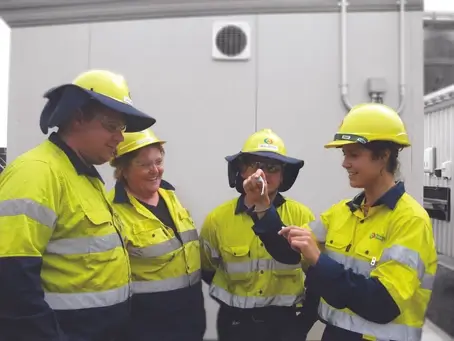
The value of onsite health coaching.
How easy do you find it to delete an email or ignore a call from a number you don’t recognise? Is it just as easy to ignore someone standing right in front of you, smiling? The anonymity of digital contact along with the way it is lost amongst our modern volume of content makes it far easier to push aside and tune out.

There’s absolutely a place for digital health resources and for those that utilise them, they can be highly efficient and productive. But are they the best option? The problem is, the people who tend to use them are the ones who are already interested in health, and the people who need the most health education, intervention, and support, rarely self-engage or respond with digital outreach in a productive way.

Modern technology makes it easier than ever to get information and stay in touch, however it has also weakened social bonds and now plays a significant role in the broader rise in loneliness. Engaging in digital environments often replaces deeper, more meaningful interactions with superficial and often transactional exchanges.

The rise in loneliness is well documented, and it’s not surprising that it is correlated to similar declines in our collective wellbeing. Loneliness has negative effects on physical and mental health, can lead to depression, anxiety, and is linked to a host of other physical and mental health risks and disorders. It also conditions people to be less trusting, more judgmental, and less likely to be vulnerable when they do interact with others.

For the past couple of decades, HBD has pioneered onsite health coaching and truly integrated workplace health and wellbeing programming. We’ve found repeatedly, regardless of industry and work environment, that the consistency with which employees willingly engage with health coaches who visit them where they work drastically beats other health coaching models, with an average of more than 90% interacting with health coaches on an ongoing basis (without incentives), resulting in significant changes in employee population health risks and behaviour.

The value of these interactions has only been enhanced in recent years as more and more people experience technology fatigue while simultaneously craving (and needing) more quality interpersonal connection.

Some things we’ve always known about the value of in-person onsite wellness coaching, that have only increased in value in our modern work environment:

  • Quality of Communication: In-person interactions are richer and more nuanced than digital contact. They allow for more range in non-verbal cues which are essential for empathy and effective communication. In-person cues improve emotional connection which leads to more meaningful, inspiring, and satisfying interactions.
  • Build Trust and Relationships: Face-to-face interactions build trust and stronger relationships. Physical presence fosters connection and trust that is difficult to achieve through screens. Being physically present enhances empathy and understanding through things like shared environmental experience and direct eye contact. Something we hear repeatedly from clients is that they trust and appreciate the information from our onsite coaches – more-so than remote contact – because they feel the coach better understands the worker’s reality, their environment and demands… that they are “in the trenches” with them as opposed to giving advice from an external and unrealistic perspective.
  • Mental Health Benefits: We know in-person interactions contribute to mental wellbeing. They can reduce stress and anxiety, increase happiness, and promote a sense of belonging. These are ALL the type of concerns employers everywhere are currently grappling with – mental health, rising stress, burnout and a fading sense of belonging. Having onsite health coaches who regularly check in with people helps strengthen all of these areas by bringing genuine human support back into the workplace.

At a time when employers are struggling to support employee mental wellbeing and engagement, while managing traditional health risks and rising costs, the value of proven, efficient, integrated onsite health coaching support is potentially worth more now than ever.

Is it time you reconsidered whether integrated health coaching could enhance your employee’s ability to thrive?

Think you don’t need much sleep? Think again.

Lack of sleep is very common, and it takes a real toll. Unfortunately, when we don’t get enough sleep, it starts to impact our mental and physical wellbeing.

CONSIDER THESE FAST FACTS:

  • After just one night of only 4-5 hours sleep, your natural killer cells – the ones that attack the cancer cells that appear in your body every day – drop by 70%.
  • Sleep deprivation can cause prediabetes in healthy adults in as little as 6 days.
  • Loss of just 90 minutes of sleep can result in a 32% reduction in daytime alertness.


Think of sleep like eating. Just like your body needs food to repair and grow, it also needs sleep to recharge, rebuild, and clean itself out. You feel hungry when you need food and sleepy when your brain and body need rest.


WHAT SLEEP DOES FOR YOUR BODY:

  • Cleans your brain. Your brain clears out waste while you sleep – like a rinse cycle for mental clarity.
  • Sharpens memory and focus. Sleep consolidates what you’ve learned and keeps your brain sharp for work and study.
  • Balances hormones. Sleep helps control hunger, stress and mood hormones. Poor quality and/or quantity of sleep leads to more cravings, higher stress and low mood.
  • Rebuilds your body. Muscle repair and healing occur during sleep.
  • Boosts your immune system. Sleep helps your body make fighter cells (like T cells) and natural killer cells to protect against illness. One poor night can reduce natural killer cell activity by up to 70%.


Tired, sleepy workers are 70% more likely to be involved in accidents than well rested workers.

Lack of sleep takes a serious toll on perception and judgement. In the workplace, this leads to reduced efficiency and productivity, errors and accidents. Don’t risk it!

Learn more and educate your workforce by booking a workshop or webinar on this topic today. Simply email [email protected] to find out more.

Discover the link between workplace safety and employee wellbeing.

Traditional approaches to safety are often compliance driven. However, if you were to stop and think about your most common workplace injuries and accidents, you would probably find that the majority of these were preventable, and strongly relate to employee focus, stress, fatigue, task behaviours and physical condition.

This is why we help you move beyond compliance. We will help you shape safer behaviours, strengthen your safety culture, and design initiatives that directly address your organisation’s highest risk areas. This is the work that will have a REAL impact on safety and protects lives.

Are you ready to commit to building a safer and healthier workplace for your staff and colleagues? Below is just a snippet of what you could implement at your workplace:

  • Workshop and action planning session: Choose from a range of topics and take it to the next level with an action planning session so your staff can immediately implement what they’ve learned. This is where the magic happens.
  • Roving interactive displays: We bring the display to your employees for minimal disruption to their workday. All interactive displays are attention-grabbing, educational and engaging. Your staff don’t even have to leave their workstation to benefit.
  • Healthy Heart Screens: Healthy employees are safer workers, with much lower injury risks. Join the dots between health and safety by booking Healthy Heart Screens for your workforce. Each screen takes only 15 minutes.
  • Ergonomic assessments: Choose a 15-minute ergonomic assessment with a 5-point workstation check, or a combined workshop and ergonomic assessment. A correct ergonomic workstation set up can help lower injury risks and in turn boost productivity.


Plan for a safer, healthier workforce in 2026. Contact us today to book any of these services or to discuss which option will best support your workforce.


Summer vibes: Tips for a healthy-ish Christmas

The Christmas season is a time to gather with loved ones, enjoy delicious food and reflect on what we’re grateful for. While it’s a season of joy, it can also be a challenge to maintain healthy habits amidst indulgent meals and holiday relaxation.

Here are a few tips to help you strike a balance and enjoy a healthier summer break.

  • Mindful Eating: Christmas gatherings often feature rich and kilojoule-heavy dishes. Instead of restricting yourself, practise mindful eating. Enjoy your favourite foods in moderation, savour every bite, and listen to your body’s hunger and fullness cues. Start with smaller portions and go back for seconds only if you’re still hungry.
  • Stay Active: Incorporate movement into your holiday routine. A post-meal walk, a morning yoga session, or even a family-friendly game of cricket can help counterbalance the extra kilojoules and keep you energised. Physical activity is also a great way to bond with family and friends.
  • Hydrate: With so many tempting beverages around, like cider, wine, beer and sugary soft drinks, it’s easy to forget about water. Staying hydrated is crucial for digestion and overall health. Make it a habit to drink a glass of water before meals to help with portion control.
  • Prioritise Sleep: Holiday excitement can disrupt your sleep schedule, but rest is essential for your wellbeing. Aim for 7-9 hours of quality sleep each night to support energy levels, digestion and immunity.
  • Don’t Skip Meals: Skipping breakfast or lunch to ‘save room’ for dinner can lead to overeating. Instead, have balanced meals earlier in the day (include fibre and protein) to keep your metabolism steady and your appetite in check.
By adopting these simple habits, you can fully enjoy Christmas without sacrificing your health and wellbeing.
Happy Holidays!

Summer vibes: Five essential SunSmart tips to stay protected

Australia is one of the hottest places on Earth and as a result has the highest rate of skin cancer in the world.

On a summer’s day in Australia, sunburn can occur in as little as 15 minutes. Whether serious or mild, all types of sunburn can cause permanent and irreversible skin damage.

Don’t forget these sun protection tips next time you are outdoors:

  1. Don’t wait for your beach trip to be SunSmart – Most Australians get sunburnt around the home, not at the beach. No matter where you are this summer, UV levels will be high enough to damage unprotected skin. Check your local sun protection times on the free SunSmart app so you can make sure you’re protected when you need to be.
  2. Check your sunscreen is in date – Before you slop on the sunscreen that you just dug out of the back of the cupboard, make sure you check it’s still within its expiry date. If you’re topping up your supply, look for a sunscreen that is SPF30 (or higher), broad-spectrum and water-resistant. Remember you need to slop it on 15 minutes before going outdoors and top it up every two hours. Be generous, using at least 35ml for the average adult application. That’s about seven teaspoons – one for each limb, front and back of your torso and your face.
  3. Use sunscreen in combination with other sun protection – Sunscreen is not a suit of armour. Make sure you also slip on covering clothing, slap on a broad-brimmed hat, slide on sunglasses and seek shade when you’re out and about.
  4. Forget the ‘golden glow’ – Tanning is skin cells in trauma – not a sign of health. If you must have a tan, opt for a fake tanning product, but remember you still need to use sun protection.
  5. Watch your spots – Check your own skin regularly, including any skin usually covered from the sun. If you notice any new spots or existing spots that have changed in shape, colour or size, see your doctor.

For more tips and information visit the Cancer Council website in your state or go to sunsmart.com.au


Source: Five SunSmart refresher tips for summer

Summer vibes: Take a mental health moment

If you find the holiday season challenging, you’re not alone. The holidays are often depicted as a time of joy, celebration, and togetherness, but for many of us, it can bring up a range of difficult thoughts and feelings. For some people, the holidays are filled with stressors like social obligations, financial strain, and the emotional weight of personal or familial expectations. These pressures can take a toll on your wellbeing, making you feel overwhelmed and drained.

Self-care can help you cope with challenging times by ensuring your emotional, physical, and social needs are being met. Self-care is taking actions to preserve or improve your wellbeing, especially during periods of stress. Self-care can provide a buffer, helping you manage these pressures in healthier ways.

By taking the time for self-care during the holidays, you’re better equipped to be present and supportive of others. You can approach holiday tasks and social interactions with more energy and a clearer, more positive mindset.

Here are six simple self-care tips that can be implemented throughout the holiday period to help you feel less stressed, more resilient and ready to face the world.

  • Spend time in the great outdoors – the environment can have a huge impact on your physical and mental health, and for many people is a go-to strategy for calm and to decompress. Spending time in nature can lower your heart rate and blood pressure and provides space for mental clarity. Remember that you can just as easily connect with nature in your own garden or nearest park, as you can on a hike through the forest.
  • Get face-to-face – close connections are important to your physical wellbeing and mental outlook. Everyone has slightly different social needs, but it’s important to spend time cultivating positive relationships with the people in your life who help you to feel your best. Friendships can help prevent isolation and loneliness, increase your sense of purpose and belonging and ultimately boost happiness and reduce stress levels.
  • Try a new hobby – learning a new skill or revisiting an old hobby can put you in a different frame of mind and give you a new perspective on life. Why not try an activity or class that involves spending time with friends or meeting new people to boost those social skills and reap the endorphin rewards that come with it?
  • Financial check – financial instability can cause a build up of stress, so having a solid financial plan can be a positive act of self-care. A great place to start is by using free apps like Pocketbook or Moneybrilliant to boost your budgeting skills and set you on the way to financial peace of mind.
  • Declutter – you’ve probably heard the phrase ‘tidy house, tidy mind’. It turns out that a quick clean up of a disorganised space can be an act of self-care. A study from the Mayo Clinic found that extra ‘stuff’ is stressful and can lead to higher levels of cortisol (the hormone related to stress response) in the body. Set a timer for 15 minutes and choose one area of the house to give a once over.
  • Practise positive self-talk – we praise our friends, family members and colleagues almost every single day, but forget about one important person – ourselves. Try putting the ‘self’ in ‘self-care’ and celebrate your little wins with positive words and encouragement. Even if you tend to be a little more pessimistic, studies have shown that you can train your brain to learn positive thinking skills.


For more tips on how to stay mental strong over the holiday period, head to www.calm.com/blog/holiday-self-care


National Work Safe Month – Tips for tradies to stay fit and healthy.

Being a tradie is a demanding job and can be both mentally and physically taxing. The time taken off work by tradies due to poor physical health or injury not only affects the tradies themselves, but it can impact their families, businesses, communities and long term health.

Despite tradies constituting 30% of the workforce, they are disproportionately represented in work-related injury statistics. One recent survey organised by the Australian Physiotherapy Association (APA) revealed that:

  • Over 90% of tradies experienced work-related injuries or pain in the past year, with 90% of these injuries caused or worsened by work.
  • 76% reported pain significantly impacts their quality of life.
  • 42% described their pain as severe, with some suffering for months or even years.
  • 87% medicate or self-medicate to manage their pain, with 30% resorting to drugs or alcohol.
  • 24% fear they will need to retire early due to stress on their bodies.


In addition to the physical toll of trade work, tradies have also reported that their work can impact their mental health. 1 in 4 (25%) tradies experienced mental illness, which is higher than the Australian average of 1 in 5 (20%) individuals. An alarming statistic from a recent study revealed that Australian construction workers are 70% more likely to take their own lives than employees in other industries. This statistic is even higher among young tradesmen.

The discussion of mental health is still regarded as somewhat taboo, with 21% of tradies believing their coworkers will think they are ‘soft’ if they complain about being sore on the job. This culture, on top of long hours, physically demanding tasks, and unforgiving weather conditions, can leave tradies feeling tired, lonely, burnt out, and disconnected from friends and family. Ignoring these feelings can lead to tradies facing more severe mental health disorders down the road.

Some tips to maintain good physical health, both onsite and off, include the following:

  1. Stretching: Stretching has a range of health benefits, including increasing your range of motion, improving your posture, increasing blood flow to your muscles, and preventing injury and back pain. 5-10 minutes of stretching before and after work can hugely benefit your physical health down the line.
  2. Fuel your body correctly: This means drinking plenty of water and eating nutritious food throughout the day.
  3. Take frequent breaks: Pushing yourself too hard without proper breaks can affect your concentration and energy levels. This increases the risk of making mistakes, which can put yourself and others in harm’s way. This is especially important if the task requires a lot of lifting and/or physical work.
  4. Get plenty of sleep: Aim for a consistent 7-10 hours of sleep per night. Getting quality sleep is vital for your physical and mental wellbeing, as it resets your mind and repairs your body.

In addition to these steps, it’s important to stay physically fit to meet the demands of work without it impacting your physical health. While tradies may be very physically active throughout the workday, strengthening other muscle groups will reduce the overall risk of musculoskeletal injuries. Physical abilities can also diminish with age, so maintaining physical capacity through exercise is important.

In addition to maintaining physical health, there are also steps that can be taken to support mental health. Below are some simple steps to help create a psychologically safe environment.

  1. Look out for your mates: It is sometimes noticeable when a co-worker or friend is not quite themselves. Co-workers who seem stressed, irritable, or have poor concentration or memory may be struggling. Identifying this and asking them if they are ok is a good way to let them know you’ve got their back.
  2. Start a conversation: It can be difficult for tradies to open up when they feel their work environment encourages them to “just get on with it”. This kind of thinking can be harmful and it can make a big difference to start a tough conversation by asking someone about their wellbeing. Any temporary awkwardness is worth the positive impact it can have down the line.
  3. Take care of yourself: Make sure to prioritise your own mental health. Make time for whatever it is that makes you happy, whether it’s going to the gym, hanging out with friends, or spending time on hobbies. Most importantly, if you are going through a difficult time, it is important to open up to friends and family because keeping silent can make things worse.
  4. Seek professional help: While there can be stigma to seeking out help, it is one of the most powerful and helpful things you can do if you are struggling with mental health. If you are unsure how to go about this, a conversation with a GP is a great way to start. Health professionals are trained to handle mental health concerns and can give you the support you need.


It is important for tradies to prioritise their mental and physical health to ensure a safe workplace as well as a long, healthy career. Starting conversations around physical and mental health is the first step in reversing the current statistics and improving workplace culture.

National Work Safe Month – Ensure a safe workspace for all.

October is National Safe Work Month, an initiative that prioritises the safety and wellbeing of all Australians in the workplace. This campaign, founded by Safe Work Australia, aims to raise awareness about the importance of work health and safety (WHS) and provide resources outlining how businesses and individuals can prioritise their safety and wellbeing.

The overarching goal of Safe Work Month is to reduce workplace injuries and fatalities and foster a safe work culture. Safe Work Australia data reveals that around 169 people died doing their job in 2021, and 130,195 workers made serious workers’ compensation claims in 2020-2021. Safe Work Month represents an ongoing commitment to promoting safe work practices.

This year, two key focus areas are:

  1. Working together to protect workers’ mental health. Protecting workers’ mental health is just as important as protecting their physical health. Psychosocial hazards are hazards that can cause psychological harm, such as anxiety or depression, and can include hazards such as intense job demands, remote or isolated work or workplace conflict. Psychological harm can have serious consequences if left unchecked and it is important that workplaces comply with the psychosocial hazards Code of Practice.
  2. Working together to support all workers. All workers have a right to be safe at work. When promoting safety at work, it’s important to consider the needs of all workers. This includes understanding how to support and address factors that may put some workers at higher risk of harm than others. Factors such as age, background, work contract and work isolation can all contribute to how at risk a worker might be to physical or psychological harm.

It is the responsibility of the workplace to foster a safe environment and empower their employees to promote a healthy workplace. Implementing robust safety policies, providing necessary training and fostering a safe work culture can help business owners reduce the risk of workplace injury.

Safe Work Month is a powerful reminder that safety is a shared responsibility, whether you’re an employer, employee or external stakeholder. Actively striving for a safe workplace environment and supporting the Safe Work Month campaign contributes to the broader goal of making workplaces across Australia safer and healthier.

For more information about creating a healthy workplace, visit www.safeworkaustralia.gov.au/national-safe-work-month or contact us about our workplace programs and services.

Add a dash of competition to your workday.

Could your team use a bit of friendly competition to lift their spirits, boost morale and encourage some healthy habits? Improving your health should be fun, engaging and uplifting. A great way to get your employees excited about their health is to add a dash of competition to the workplace.

Health by Design have created and developed a wide range of workplace challenges, designed to engage your employees in positive health behaviours. Competitions encourage teamwork, camaraderie, improved culture – all while having a positive impact on each individual’s health. Two of our most popular challenges are the ‘The Great Aussie Adventure’ and the ‘Healthy Habits Challenge’.

‘The Great Aussie Adventure’ is a team based physical activity competition where teams make their way along a virtual track of your company’s choice. For example, West Coast to East Coast, Sydney to Perth, The Great Ocean Road, Melbourne to Alice Springs, The Murray River Track, Perth to Broome. We can also take the challenge to other countries or even turn it into an Everest climb.

The competition can be run and managed on or offline depending on what best suits the participating employee group. The inbuilt activity converter on our online system allows competition participants to participate in physical activities other than just walking, such as riding and cycling.

The ‘Healthy Habits Challenge’ is designed to encourage employees to practice healthy behaviours. It can be run as an individual challenge or team based. Each employee is asked to:

  • Start performing a new healthy behaviour.
  • Stop doing an existing unhealthy behaviour.
  • Keep implementing an existing healthy challenge.

Points are awarded according to how well you stick to your chosen ‘start’, ‘stop’ and ‘keep’ habits. This competition is designed to run for one calendar month.

Workplace competitions and challenges can run from 6-16 weeks, can be implemented into a workforce of any size and provide great overall results. If you’d like to learn more about how easily you can implement a workplace competition for your workforce, contact us today.

Disconnect to Connect – the key to an effective workplace program

While the internet and technology has opened the door to seemingly limitless opportunities and information; it’s also created overload. Never have we been so connected yet simultaneously so lonely. ‘Communication’ is not the same as social interaction and connection. Connectedness, social interaction, interpersonal relationships and support are all critical to our wellbeing.

Among the thousands of emails, tweets, pokes, swipe rights, news feeds, likes (and not to mention actual work) that people partake in every day, is it really any wonder that companies struggle to get employees to engage with their wellness web portal? #HeckNo

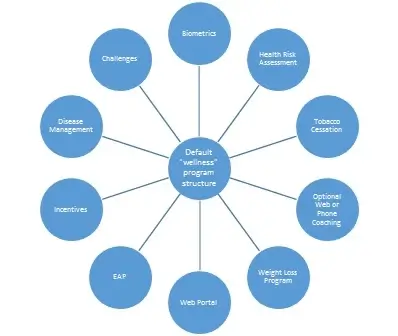
Wellness programs structured primarily as a web portal, an app, a device, a challenge, or counting points… or even a seemingly ‘comprehensive combination’ of these things (read: Achieve Incentive Level 1 by doing a screening, logging in to the web portal once, and registering for one challenge; Achieve Incentive Level 2 by doing all of the above, plus do an even more generic challenge, run around the block backwards and chug a glass of water; Achieve Incentive Level 3 by completing all of the above plus learning the secret handshake and… WTF?…Seriously? That is not making me healthy!).

At best, they tick the box and provide some resources for the small portion of your workforce who are specifically interested in managing their own health… ahem… sorry, that’s only about 3-30% of your population. At worst, they become a chore, a process employees begrudgingly comply with simply to receive their premium discount. Yes, that’s right – they can actually be dis-engaging (#gasp!).


A client recently articulated it quite well:

We soon learned it’s one thing to offer a good wellness program, but it’s another to offer a program that truly engages the workforce. People will go through the motions to gain financial incentives, prizes, or discounted insurance premiums, but simply going through the motions doesn’t lead to sustainable results.

Some think that on-site coaching isn’t effective, or that it’s too expensive (sorry to burst your bubble… it’s cheaper than the hundreds of dollars of incentives you are using to coax people to participate in things that are less effective). Real people meeting employees where they’re at – actually connecting with them, listening, and guiding long-term positive improvement is so refreshing in our modern connected world that it’s increasingly more effective. While tech is often “sexy” and coaching might feel antiquated…(you mean they come and talk to me. with their mouth. more than 240 characters. using full sentences and punctuation. OMG LOL). It shows your employees a genuine level of commitment and care. It also conquers the number one reason why employees don’t participate in wellness programs: a lack of perceived personal relevance. What could be more personal than someone working with you on your own specific goals?

Imagine if more that 80% of your total workforce was engaged in your wellness program – ongoing, without incentives. (Is that even possible? #HeckYes!) Imagine if more than 2/3rds of your workforce were actively improving their health and lifestyle behaviors. That’s what can be achieved when you provide a program where employees actually get inherent value.

  • Programs which are campaign based or comprised of a bunch of individuals (but independent) elements will always struggle to gain employee attention, sustain high engagement or lead to anything other than short-term shifts in behavior.
  • Programs which have a strong foundation in routinely connecting with employees within their regular workflow, checking-in and providing content that’s relevant and progressive will be far more effective at sustaining the interest of employees and influencing more sustainable behavior change.


So while the internet has changed our world in amazing ways, it’s also created a whole host of new-world problems. Sometimes the best way to truly connect is actually by disconnecting. #MindBlown

Interested in learning more about health, wellness, high performance, and safety programs with results that more than DOUBLE industry averages? Get in touch. We’ll show you how.

Participate in Dry July for a great cause (and your health).

As July rolls around, thousands of Australians are going alcohol-free to raise money for those affected by cancer. The next 30 days can be a strong test of willpower, in what can sometimes feel like an impossible task of not consuming any alcohol. While raising awareness for Dry July is definitely its own reason to consider staying sober for the next month, there are many other benefits as to why you might consider abstaining from alcohol.

Cutting back on drinking is shown to have a myriad of health benefits on your body, giving your organs a well-needed break from alcohol consumption. The biggest benefit is liver relief, as alcohol contributes to both a buildup of fat in the liver as well as tissue scarring. The good news is the liver is incredibly tolerant, and when you stop drinking, alcohol-related damage is reversed, and improvements are seen in a matter of weeks.

Regular alcohol consumption also impacts your heart health by slowing down your metabolism and increasing your cholesterol. Reducing your alcohol intake can significantly improve your cardiovascular health, as abstaining from alcohol can improve your blood pressure and reduce alcohol-related risk of stroke and heart disease.

Reducing alcohol can also decrease your risk of developing alcohol-associated cancers, with research finding links between liver, breast, colorectal, and esophageal cancer with alcohol consumption. Finally, research has shown that reducing alcohol intake can help with weight loss. This is because of the high caloric density of alcohol and the overconsumption of food (usually fast food and snacks) when drinking.

If the physical benefits weren’t enough, cutting back on alcohol has been shown to positively impact your mental and cognitive health. Neurologically, consistent heavy drinking has been shown to shrink the frontal lobes of the brain, consequently impairing thinking skills. Alcohol can also damage gray matter, a part of the brain responsible for processing information. Fortunately, however, this damage is reversible, and the brain can completely re-heal the damage done by alcohol during periods of abstinence. Drinking can also affect mood, as alcohol can exacerbate symptoms of mental illness including depression, anxiety, bipolar disorder, and schizophrenia. Taking some time off alcohol helps you think with more clarity and handle any existing mental health issues in a much more positive way. In addition, not drinking alcohol can improve the quality of your sleep, which also contributes to improved concentration, increased energy levels, and better mood.

Another reason to consider cutting back on drinking is for the financial benefit. Even if one glass of wine or a bottle of beer feels like a small purchase on its own, if you drink frequently this cost adds up. Based on a 2020 survey, the average Australian spends around $1900 a year on alcohol ($32 per week). Even if this expenditure on its own isn’t enough reason, not drinking also means saving money on alcohol-related expenses, such as Ubers and taxis, and late-night meals.

If you are thinking of cutting back on your alcohol intake but don’t know where to start, here are some tips:

  1. Write out your intentions and goals: Set limits with measurable guidelines. Decide the maximum number of drinks you want to drink per day and the maximum number of days a week you want to drink. Then ask yourself why? Is it for health or financial reasons, or to get better sleep? Consider how you can meet these goals and how to incorporate more alcohol-free days into your week.
  2. Identify your triggers and plan ahead: Work out why you typically drink – are you more of a social drinker, or do you drink more when you’re stressed? Identifying these triggers means you can develop coping strategies that don’t rely on alcohol.
  3. Find support: Share your goals with friends or family who can provide encouragement and hold you accountable. Even try to convince friends to join you in cutting back drinking.
  4. Explore alternatives: Find non-alcoholic beverages that you enjoy drinking! Whether it’s a mocktail, alcohol-free wines and beers, or other drinks that might satisfy your cravings.
  5. Choose drinks containing less alcohol: If trying to cut back, consider ways to choose less alcoholic drink options. This can look like mid strength beers or ordering a small glass of wine instead of a large.
  6. Pace yourself: Sip drinks slowly, don’t chug them. Avoid getting refills and focus on drinking only one standard drink per hour to give your liver some time to metabolise the alcohol.
  7. Stay hydrated: Having a glass of water in between each drink not only keeps you hydrated but is an easy way to slow down your alcohol intake.
  8. Be kind to yourself! Cutting back on alcohol can be difficult. Celebrate small victories and focus on the positive changes. If you slip up, don’t give up.


Importantly, reducing your alcohol intake gives you a chance to reevaluate your relationship with drinking. While many people think they have a healthy relationship, research has shown many people underestimate how much alcohol they are drinking. Abstaining from alcohol provides you an opportunity to see what life looks like without drinking and reflect on the impact this has on your health, relationships, productivity, and whether alcohol has prevented you from dedicating time to pursue hobbies and interests.


An Important Note from the Organisers of Dry July.

Dry July is a fundraising campaign aimed at challenging social drinkers to change their habits for a month and make some healthy lifestyle changes. We would encourage people to drink responsibly and stick to the recommended daily guidelines for the rest of the year. We advise heavy drinkers or people dependent on alcohol to speak with their GP before signing up to Dry July.


Unlock the secret to a successful workplace program.

Workplace health promotion strategies continue to evolve. But are the ideas really changing, or are we just throwing new tools at old problems? For many employers the problem lies not within their specifically chosen vendor or this year’s ‘beta version’ of their favourite tool, but rather in the structure of their approach in general. Program pieces are not implemented with a strong strategic process or alignment. Instead, many programs have strong start points and end points but lack considerable consistency and strategy to help people navigate the area in between. Unfortunately, it’s that ‘in between’ where people’s behavioural journey evolves.

In the wellness industry new companies, new technologies, and new iterations seem to germinate constantly. And yet while so much changes, there’s so much that stays the same. New products and technologies are touted as innovative and game changing, and yet many of their applications rely on principles of traditional approaches which are known to be flawed – short term challenges, self-directed learning, sleeker looking platforms or apps, more accurate activity trackers, smarter bean-counters for incentive systems.

Many of these strategies still rely too heavily on the employee being proactive. That is, making the assumption that they are at an advanced enough stage of readiness to engage with the platform or be convinced to engage via incentives. However, the majority of people are not at an advanced enough stage of readiness, and incentives do not foster the type of inherent motivation required to get them there (refer to previous posts for more discussion on the down sides of incentives). Many of the strategies we continue to see defer to the traditional: testing to identify risk, filter high risk into disease management while trying to get the rest to proactively engage in optional challenges, opt-in coaching or requiring people to maintain or improve their test results in order to receive incentives the following year.

Improving health and changing behaviour (in a sustainable way) is a lifelong endeavor. Stop-start programs like challenge based programs can be disjointed and begin to feel repetitive. Testing, triage, clinical compliance and retesting puts a lot of emphasis on outcomes without giving people the physical and mental tools to sustainably evolve their behaviors in the middle – that is, people might reach goals in the short term, but you haven’t changed their mindset or behaviors for the long term.

More evolved programs are ones that blur the boundaries between the separate health promotion activities. Rather than a distinct series of events, services, challenges or programs which people opt in to or are ushered into via incentive plans (which inevitably leads to employees participating in some aspects but not others), elements of advanced programs seamlessly fit together and flow from one to the other. Each additional element builds on and progresses the previous. Each additional element reinforces the last and provides a new layer of information that builds motivation and skills for change. The result is less of a disjointed ‘two steps forward, one step backwards’ stumble towards the finish line, and more of a strategic and progressive journey towards a healthier workforce.

Integrated programs that show the relationship between different aspects of health (i.e. an overall health program instead of separate programs for weight loss, stress management or smoking cessation…which are all inter-related) and which provide ongoing and consistent reinforcement of key skills and benefits make more sense and are more actionable in the real world compared with isolated activities.

So perhaps your next true advancement in workplace health is not looking for that next great product or technology that could add another layer or new dimension to your program. Your program may already have too many dimensions. Instead, the real innovation might be stripping back some layers and getting to the core of providing a more structured and progressive approach to filling the gaps between your start and end points.


Health by Design are experts in population health behaviour change. Our programs are designed and tailored to fit into our client’s workflow and employee life flow. The result is more sustained engagement (programs average over 80% ongoing month to month participation from the whole workforce without incentives) and high sustainable behaviour change across multiple risk areas (our programs average over 65% of the entire workforce improving health behaviours or health risk measures).

We don’t rely on gimmicks, just hard work. From stress, engagement and high performance to general health and injury prevention; If you want to learn more about what we can do for you, why not give us a call?

Heart Health – Focus on your cholesterol

Healthy arteries are strong, flexible and elastic with an inner lining that is smooth. This allows your blood to flow freely.

Too much cholesterol circulating within your bloodstream leads to fatty deposits in the arteries. This causes the vessels to narrow and they can eventually become blocked.

In Australia, 1 in 3 adults has a total cholesterol level that is considered high. High cholesterol has no symptoms, so many people don’t know that their cholesterol is too high. Improving your cholesterol, whether it is normal or high, can help lower your risk of having a heart attack. Research has shown that every 10% decrease in cholesterol levels can reduce your risk of having a heart attack by 20-30%.

Here are our top seven tips to help lower your cholesterol (and the reason why it makes a difference):

  1. If you eat red meat frequently, reduce it to no more than two times weekly. Instead try poultry, fish or plant-based proteins like beans. Why? Reducing saturated fat intake (found in dairy and meat products) along with cutting back on trans fat can lower your cholesterol by 5-10%.
  2. Eat a healthy variety of fruits and vegetables and swap white breads and pasta for whole grain products. Why? Eating lean meat and less of it along with increasing fruit, vegetables and whole grains can reduce total cholesterol by about 25% or greater.
  3. If you frequently drink alcohol, reduce the amount a little each day. Purchase smaller wine glasses or an alcohol measure to help keep you on track. Why? The alcohol that you drink breaks down and then is reformed into triglycerides and cholesterol in the liver. Therefore, drinking alcohol can raise cholesterol and triglyceride levels.
  4. Move more throughout the day. Start off slow by engaging in an exercise like walking, 5-15 minutes most days a week. Why? Exercise helps increase HDL (good cholesterol) levels.
  5. If you smoke, develop a plan that can help you decrease the amount you smoke. Why? Studies have shown that smokers tend to have lower levels of HDL and higher levels of triglycerides in the blood as opposed to non-smokers.
  6. Reduce stress levels by spending at least 15-20 minutes doing something you enjoy like walking in nature, drawing or listening to music. Why? There is a correlation between high stress levels and high cholesterol readings.
  7. It is important to have your cholesterol checked at your doctor’s. Why? Lowering LDL cholesterol (the bad type) has been shown to improve cardiovascular health. If you have been prescribed medications for your cholesterol, continue taking them.


May is Heart Week – celebrate this awareness event at your workplace with a ‘Lunch and Learn’ presentation, an interactive display or bring health testing to your employees with our Healthy Heart Screens.

End of year vibes: Plan your party season and come out on top.


Every year the cycle repeats itself – too many parties, too many dinners and an overindulgence of party food. When the New Year comes around, we vow to diet and exercise to get rid of those dreaded festive kilos.

However, by simply moderating your food and alcohol intake and keeping up a regular exercise routine, you will be able to control your weight over the festive season. The trick is to monitor your behaviour so you enjoy both the party and the period after the party.


Helpful party tips: Follow these simple party tips to maintain your health goals.

  1. Set realistic goals: Moderate your food and alcohol intake, and maintain your current exercise regime. The achievable goals are the goals that allow you to keep on track with your wellbeing and health.
  2. Plan to party: Be on the ball. Decide the events/parties you will attend in advance and have a plan. For example, if you’re going to a party, eat something light before you go. That way you are less likely to overeat. Use a quiet night to re-energise your batteries which will help you survive the festive season.
  3. Choose (or bring) low-fat options: YES, they do exist. There are usually a number of low fat alternatives you can select such as seafood, poultry without skin, pork without crackling. Or, bring a healthy starter like a homemade light dip with veggie sticks. Looking after your health is all about making the healthiest choices available.
  4. Avoid high-fat options: Most party food is deep fried and high in fat. It can undo an entire year’s hard work of healthy eating and exercise. If you find yourself reaching for the deep fried foods, have your main meal at home before you go out, that way you are less likely to overeat.


Tips for after the party: Reduce the hangover effect.

A hangover can affect your energy levels, efficiency and daily performance. If you do happen to party a little too hard, here are some simple tips to help get you through the day.

  • Stay hydrated. Keep a water bottle handy and fill it up on a regular basis.
  • In some cases a sports drink may help if your hangover is severe and your electrolytes are depleted.
  • Whole fruit or a multi-vitamin supplement may aid in recovery.
  • Avoid bright lights (unless wearing sunglasses), loud noise and any critical decision making as memory and thought processes are impaired.
  • Lay low for the day, rest up and eat a good meal – such as a carbohydrate-rich meal – to start boosting your energy levels again.


Enjoy your time off from work and make the most of each day with your family and friends – this is what the holiday period is really about.

Approach executive health in a different way.

Traditional executive health programs, like broader wellness programs, are largely generic and offered in the periphery as a fringe benefit. While it’s nice to have these programs, the irony is that the executives that may need them the most, the ones who are most stressed and time poor or the ones who are least proactive with their health, are the least likely to seek them out.

Now neuroscience is changing the game. Executives need programs that are efficient and relevant. The power of neuroscience in executive health and performance is that it allows for highly personalised, precise and relevant interventions that executives can see benefit and meaning from. The other powerful advantage of having insight into personal brain chemistry is that it not only provides short term benefits, but it also (and perhaps more importantly) allows for predictive and preventive interventions which can help high performers better understand and mitigate the negative impacts of natural behaviours under periods of high stress.

In contrast, other generic ‘stress management’ programs require a lot of self-directed learning as well as trial and error to find what works for an individual under specific circumstances. That takes time and effort – something employees under high stress don’t have!

What if you could help executives understand why they behave how they do – even when those behaviours may be counter to their health or performance goals? This is one of the many ways in which neuroscience can provide more precise answers and add value to an executive health and performance initiative.

Besides the individual value for executives or high value talent, there are broader potential impacts. Do you offer ‘executive support for wellness’ but struggle to actually get your executive teams to actively participate? A ‘good for our people but not good enough for me’ type attitude can be very damaging toward attempts to build a culture of health. It also widens the gap between management and the broader population by feeding that ‘them and us’ mentality.

A program which genuinely provides management with positive personal value in regards to improving health, wellbeing and performance can make your executives some of your biggest champions for broader health promotion. Nothing helps build support like experiencing personal success. Not only are they more likely to inherently understand the benefits and support the programs, but they are more likely to be seen actively promoting or participating. That difference between supporting in principle and actually leading by example can have a huge impact on culture and the promotion of organisational values.

If you’ve struggled to engage executives in effective health promotion or to find something that can add more meaningful value in personal and professional development, then talk to us about our Neuroscience and Human Performance program.

Little Wins, Big Rewards program ticks all the boxes for wellness success.

One of the main mistakes people make when modifying their lifestyle is assuming the small changes don’t add up.

The underlying assumption is that your achievements need to be big to make a difference to your wellbeing. Because of this, we always talk ourselves into chasing a big habit! “If I want to lose at least 10 kilos, I need to start busting my butt and working out for 90 minutes a day!” Sound familiar?

If you look at your current habits, however, you’ll see a different picture. Nearly every habit you have today, good or bad, is the result of many small choices made over time. It is the repeated pattern of small behaviours that leads to significant results. Each day we make the choice to become one percent better or one percent worse, but so often the choices are small enough that we miss them.


Small changes add up to big wins!

50% of heart disease can be prevented with good nutrition and moving regularly. With the right help (you can’t just tell people what to do!), good nutrition and moving regularly isn’t hard to achieve. But the impact is HUGE!

A little change: five serves of fruit and vegetables a day = big results

  • 20% lower risk of heart disease and stroke
  • 35% reduced risk of lung cancer
  • 25% reduction in risk of premature death… to name a few.


That’s a small price to pay for big results. It’s also only a small habit to change/make for a big payback.

Are you ready to learn more about our Little Wins, Big Rewards program? You could start with an interactive workshop, interactive display, health promotion material or a full program – completely customised to suit the needs AND budget of your workforce.

Contact us today if you have any questions or you’re ready for some BIG changes at your workplace.

Warm up for work. Your body will thank you.

Just like cranking a car, a warm up gets your body working and ready for the day ahead.

Many people think that warming up is done only before playing sport. This is not the case. Warming up prepares both the body and mind for more strenuous activity such as the tasks you perform every day at work.

Think about how you start your day: In the mornings our bodies are generally cool. We have been in bed for the past 8 hours, gotten up, had some breakfast and then driven to work – not really considered strenuous work. Therefore, the body and its muscles are not necessarily prepared to handle the work tasks ahead.

A warm up is a great, refreshing way to start your shift. Additionally, if you’ve just finished your lunch break, blood flow is being diverted from your muscles to your digestive tract to help you metabolise your food. Therefore, a brief warm up before you return to work will help you get the blood flowing back to your muscles and brain again – which leaves your mind and body ready for work. Similarly, if you’ve hit a mid-afternoon slump, try an afternoon warm up instead of a chocolate bar or coffee!

Some of the specific benefits of a short warm up include:

  • Fatigue busting: a warm up increases the hormones that help regulate energy production. An effective warm up can also initiate sweating signals which will improve the cooling mechanisms and assist in thermoregulation while they work. Both of these are excellent at helping to delay the onset of fatigue.
  • Heart: increased heart rate and improved blood flow from a warm up reduces cardiovascular strain and improves nutrient delivery to muscles and joints.
  • Brain: mental preparation can enhance task focus for improved efficiency and decreased accident risks.
  • Improved range of motion: more ‘elastic’ muscles make for less resistance and reduced internal strain on your joints. Movement also stimulates joint lubrication.
  • Muscle temperature: warmer muscles contract smoothly and more efficiently, reducing the risk of straining.


Preparing muscles for a day’s work can also alleviate seemingly unrelated body aches because a tight muscle in one spot can lead to pain in other areas.

For example, consider you are experiencing tight hamstrings. When hamstrings are tight it can lead to lower back, knee and hip pain. Tight hamstrings can prevent the knees from straightening or the pelvis from ‘untucking’. A tucked pelvis is the primary cause of pelvic floor disorders and lower back pain. For a strong pelvic floor and back pain relief, lengthening the hamstrings is a requirement.

In summary – Warming up before you start your day can help build and improve your muscle strength. It helps muscles become more pliable, flexible and ready for movement as well as increase blood flow. More blood means more oxygen to the muscles meaning they can work more efficiently at less risk of injury. In addition, the brain needs oxygen to function well so a warm up is also a great way to stay focused and mentally sharp.


Find out more Would you like to learn more about how a proper warm up for work routine can benefit your workforce? Or are you ready to implement regular warm up for work routines? We can help educate your staff, train ‘warm up for work champions’ to run regular warm up for work routines, or we can deliver them for you. Chat to us today about the many options available.

Employee health. Are they getting sick at home or at work?

With many people working longer hours and in some cases more than one job, the development of chronic diseases, musculoskeletal disorders and psychological illness may have its origins in the workplace.

Research has found that workers who are regularly exposed to hazardous working conditions, physically demanding tasks, high levels of stress and long working hours are more likely to consume risky levels of alcohol, reduce their level of physical activity to low, increase their likelihood of smoking and make poor nutritional choices. These habits can put strain on their overall health leading to an increased risk in chronic diseases and injuries on the job.

While these lifestyle choices may also be caused by outside factors (such as family or financial strain), the bottom line is that it impacts the employee, co-workers, workplace safety, workplace culture and business outcomes.

Could the health of your workforce be impacting your bottom line?

  • Healthier workers are almost three times more productive than their unhealthy counterparts.
  • On average, work related psychological injuries have longer recovery times, higher costs, and require more time away from work (almost four times higher than other injuries).
  • Any employees who are carrying excess weight and engaging in low levels of physical activity are more likely to be less productive and take more sick leave.


As you can see from the facts above, the health and wellbeing of your workforce can have a significant and very direct impact on productivity. While you can’t stop people getting sick, you can help them address health concerns when needed and implement healthy actions at work.  

Using the workplace as a setting for health promotion and education is a great way to help your employees lower their risk profiles for overall physical health as well as mental wellbeing. These types of initiatives also show your employees that they are valued and cared about which goes a long way.


Health by Design have a range of services, resources and programs that can help show employees the link between their actions at home, behaviours adopted at work and the risk of disease or injury due to those combined habits. Talk to us today about your workplace concerns.

Why walk or run? (aside from the fun)

“If exercise could be packed in a pill, it would be the single most widely prescribed and beneficial medicine in the nation.”

– Dr. Robert Butler, founder of the National Institute of Aging.


Aside from diet, exercise is an extremely important factor in longevity. A large study of over 600,000 people found that those doing the recommended amount of exercise had a 20% lower risk of death than those who were physically inactive.

But you don’t have to hit the gym. Walking and running are great ways to improve or maintain your health. They are activities which require minimal equipment, are free or low cost, and can be done almost anywhere at whatever pace you feel comfortable with.

Regular walking or running improves aerobic fitness which make them very beneficial for cardiovascular health. If you are new to exercise, then it doesn’t need to be vigorous or lengthy in order to improve your health. Some studies have shown that inactive people that begun low levels of exercise – around 75 minutes of walking per week – improved their fitness levels significantly.


Aside from cardiovascular fitness, regular weight-bearing aerobic exercise like walking and running can:

  • strengthen bones, posture, and balance.
  • help manage body fat.
  • boost muscle power and endurance.
  • improve the management of high blood pressure, high cholesterol, joint and muscular pain.
  • reduce your risk of chronic diseases such as heart disease, stroke, type 2 diabetes, osteoporosis and some cancers.


You may have heard of these physical health benefits before. But did you know regular aerobic exercise like walking and running also induce many physiological and psychological changes which help your mental health? Some of these include:

  • changes in your brain which help you become more resilient to stress.
  • improvements in working memory, focus, and task-switching abilities.
  • enhanced sleep quality and ability to focus during the day.
  • improved mood and decreased depressive symptoms.


So now you know the why, how do you get started? Just like a toddler, you should walk before you run. For beginner walkers, keep the following tips in mind:

  • Walk short distances – start with a five-minute stroll and slowly increase your distance.
  • Forget about speed – start off walking at a comfortable pace. Focus on maintaining good posture, by keeping your head lifted and shoulders relaxed.
  • Swing your arms naturally and breathe deeply. If you can’t catch your breath, slow down or avoid hills.
  • Be sure that you can talk while walking. If you can’t speak, you are walking too fast.
  • Spend 15 minutes exercising during your lunch break. You’ll eat less while clocking up more active minutes.


Becoming physically active after the age of 40 can reduce your risk of heart disease by 55%, compared to those who had been inactive all their lives. Get walking (then running) to reduce your risk.


Our group exercise sessions or fitness-based competitions are a great way to promote physical activity and health and wellness while generating enthusiasm and enjoyment amongst your employees. Sessions cater for all levels of fitness and strength to help your employees meet their overall wellness goals. Contact us to learn more.

Where’s your head at? Keeping your mind on task.

It can be hard to stay focused throughout the day at work. This can be particularly problematic in jobs that have dangerous, even fatal, outcomes if you lose concentration.

A 2018 survey revealed that nearly 3 out of 4 workers (70%) admit they feel distracted at work, with 16% of people stating that they’re almost always distracted (Udemy: 2018 Workplace Distraction Report).

The answer to this problem is to improve focus in work zones. Here are some general tips for improving focus and concentration at work:

  • At the start of the day, make a list of all the tasks you aim to get done. Rank these in terms of priority and tackle the most important tasks first, when energy levels are optimal.
  • Set aside time to refocus. Doing a small action like taking a walk, making yourself lunch, or getting a coffee can help improve brain function and concentration.
  • Find a routine that works for you. Everyone accomplishes their best work at different times of the day to others. Find when you are your most productive and do challenging and dangerous tasks at that time. Repeating this routine every day can help you get into the habit of focusing on this work when you most need to concentrate.
  • Minimise online distractions. This can include email, phone calls, and checking social media. When you start an important task, let people know you are unavailable and turn your electronics to silent.
  • Drown out noise. Studies show that listening to music that you know and really enjoy can be distracting. So instead choose music or premade playlists that you are less familiar with, or otherwise instrumental songs or ‘white noise’ apps.
  • Focus on one task at a time. Research shows that the human brain is not wired to do more than two tasks at once. Multitasking splits our maximum level of attention between multiple activities, meaning neither activity is receiving our full attention. This can be dangerous in the case of handling heavy machinery. Instead, aim to work sequentially through your tasks throughout the day.

Another important aspect of your ability to concentrate is your mental and physical health. Always aim for 7 hours of sleep each night, stick to nutritious meals, limit caffeine and take active breaks.

In hazardous workplace environments, it is particularly dangerous if employees struggle with concentration. Focused workers are more productive, make fewer mistakes, and are less likely to be involved in accidents. Some tips that are particularly important in these environments include:

  • Limit distractions: in hazardous warehouse or factory environments, employee focus must be on their task, and the safety of their co-workers. Common distractions can include workplace chat, mobile phones, other personal technology, and workplace noise. Policies should be implemented to limit these distractions where possible.
  • Take regular breaks: long spells of work and continuous repetitive tasks lead to weariness and increase the risk of loss of concentration. Employees should be encouraged to take regular breaks, allowing for mental relaxation and recovery.


Create greater safety awareness amongst your employees through our comprehensive programs, tailored to your industry, people and specific job tasks. We can help you target the injury risk areas that are hurting your staff and your business the most.

Enhance all aspects of your life and wellbeing with some shut eye.

“There does not seem to be one major organ within the body, or process within the brain, that isn’t optimally enhanced by sleep (and detrimentally impaired when we don’t get enough).” – Matthew Walker, Neuroscientist, UC Berkley.


We all know that getting more sleep or improving the quality of sleep is much easier said than done. But compelling recent and emerging research is making it more difficult to ignore the fact that we simply have to find a way to prioritise sleep if we want to optimise our health, longevity, resilience and performance.

Modern cultural concept that exhaustion is some badge of honour is treacherous. People seem to think that being busy equals being important or successful. It doesn’t. Rather, it adds up to burnout and inefficiency. We’ve all heard about celebrities or successful business people who brag about getting up at 4 am or who say sleep is wasted time. However, science is unequivocal. Sleep services all aspects of our physical body and mental health.

So instead of getting into a conversation about celebrity life-hacks, let’s instead focus on a few facts. Lack of sleep:

  • Amplifies emotional reactivity (or should we say over-reactivity) by 60%.
  • Significantly suppresses your immune system (those who sleep less than 7 hours a night are 3 times more likely to catch a cold than those who sleep 7-8 hours).
  • Disrupts hormones which help regulate appetite and satiety.
  • Increases the likelihood of heart disease and cancer.
  • Increases the likelihood of depression.
  • Heightens the risk of dementia or Alzheimer’s disease.
  • Reduces cognitive function and decreases memory functions and ability to learn or retain new information.

If you haven’t heard or read his work before, you should watch this TED talk  (www.youtube.com/watch?v=5MuIMqhT8DM) by UC Berkley neuroscientist, Matthew Walker (if you’re short on time even the first 30 seconds might be enough to convince some).

Many people have convinced themselves that they ‘only need’ or ‘function fine’ with 5-6 hours of sleep. Matthew Walker unequivocally says that is not true. While there are some genetic exceptions that seem to allow some people to remain healthy with less sleep, they are so rare that the probability you are one of them is almost none. Sure, we can certainly become conditioned to chronic sleep deprivation and we can seemingly get by. But for most, they don’t know how much better they could feel or function if they focused on quality sleep. They essentially have a stunted sense of ‘normal’ as their baseline. The truth is, you will feel better, be healthier and function more effectively if you improve the consistency of healthy sleep.

Prioritising sleep is far from being lazy; it’s actually an investment in your health and performance. The science recommends 7-9 hours of sleep. For many, that would mean carving out a sleep window of at least 8 hours daily. This is NOT wasted time; this is a NECESSARY INVESTMENT in yourself.

Practical tips for improving your sleep:

  • Go to bed and wake up at the same time every day (or as often as you can), even after a bad night’s sleep and on the weekend.
  • Keep your bedroom temperature cool. Wear socks if your feet get cold.
  • An hour before bedtime, dim lights and turn off all screens. Blackout curtains are helpful and necessary for shift workers who routinely need to sleep during daylight hours.
  • If you can’t sleep, get out of bed and do something quiet and relaxing (avoiding screens) until the urge to sleep returns. Then go back to bed.
  • Avoid caffeine after 1 pm.
  • Avoid alcohol. Alcohol disrupts sleep cycles and reduces the effectiveness of sleep, including specifically suppressing REM sleep.
  • Regular exercise can also improve sleep quality.


Creating extra time for sleep isn’t easy. But the payback in terms of health, emotional balance and productivity is worth it.


Written by Andrew Stephenson – HBD International. Reproduced with permission.

A small habit with big impact – enjoy more fruit and vegetables.

We all know that we should be eating more plant-based foods and less processed options, but it’s easy to dismiss the idea by convincing ourselves that we are just too busy. However, good health doesn’t have to be time consuming (or cost a lot of money).

When it comes to what you eat, studies by the Food and Drug Administration (FDA) have confirmed that frozen fruit and vegetables are just as nutritious as fresh. This means minimal waste, the capacity to eat produce out of season and, in some cases, you will actually be eating foods that contain more antioxidants and vitamins compared to fresh options.

When it comes to how much you eat, increasing your intake of fruit and vegetables by just 50g (e.g., half a piece of fruit or 2/3 cup of veggies) a day is associated with a 20% reduction in cancer risk. Could you add this amount of fruit and vegetable to your daily food intake?

Read on to find out more about the power of fruit and vegetables.

Other benefits can you expect from boosting your fruit and veg intake:

  • Breathe easier. Eating five or more serves each day reduces your risk of lung disease by 35%.
  • Live longer. Eating just one-two pieces of fruit each day can reduce your risk of stroke by 40%.
  • Protect your mental wellbeing. Those who enjoy a Mediterranean diet have a 33% lower risk of developing depression in the future.
  • Boost your overall wellbeing. The fibre in fruit and vegetables keeps your bowel movements regular, assists in lowering cholesterol, regulates blood sugar levels and helps you feel fuller for longer. This all helps to you feeling healthier, losing weight and eating less unhealthy food.
  • Lower your risk of type 2 diabetes. Eating a diet high in plant foods and low in animal foods is associated with a 20% lower risk of diabetes.

So now we know why we should eat more, how do we do it?

An easy way to get a good variety of fruit and vegetables is to think of colour. Eating all the colours of the rainbow will give you a great mix of all the vitamins, minerals, fibre and plant nutrients (called phytochemicals) needed for good health.  The more colours you eat, the healthier you will be!

In addition, try these tips to incorporate more fruit and vegetables into your daily meals:

  • Add fruit to your breakfast cereal or include avocado or tomato with eggs.
  • Swap cheese and crackers for dip and vegetable sticks (e.g., carrot, capsicum, celery).
  • Add a side of salad to your lunch and dinner.
  • Have a piece of fruit for a snack instead of something processed (e.g., chocolate, potato chips).
  • Meal plan for the week ahead and do a food shop accordingly so you have everything you need for the meals.
  • Keep chopped vegetables in the fridge so they are ready to be added to meals.
  • Add grated carrot or zucchini to sauces (e.g., spaghetti bolognaise or lasagna sauce).


While you can’t force your employees to change what they eat, you can provide them with education about making healthier food choices. We take the hard work out of this task! Contact us today and we can work together to make a difference in the lives of your staff.

Maintaining optimism to achieve your goals.

Now that we’re about a week past what many behavioural scientists have dubbed ‘quitting day’ (that is, about two weeks into the new year, by which time a disastrously high proportion of people have abandoned their new year’s resolutions) it’s a good time to discuss the power of a positive outlook.

We all know that having a positive outlook is important for achieving success and happiness. However, blind optimism can sometimes do more harm than good.

That’s where the concept of realistic optimism comes into play. Realistic optimism involves having a positive outlook while also acknowledging and preparing for potential challenges. It is having the courage to start something new and knowing failure could be a possibility.

To quote Eleanor Roosevelt “Do one thing every day that scares you.”

When it comes to health and wellness, realistic optimism can be a powerful tool.

By approaching our health journey with realistic optimism, we can stay positive while also taking proactive steps to overcome any challenges that may arise.

Here are some tips for incorporating realistic optimism into your health and wellness routine:

  1. Seek realistic change: Having a clear vision of what you want to achieve is important, but it’s equally important to set lifestyle changes that are realistic and most importantly, achievable. This will help you stay motivated and avoid feeling discouraged if you don’t see any results. For example, if you want to lose weight, set a number that’s achievable for your body type and lifestyle. Trying to lose 10 kilos in a week is not realistic and undoubtedly sets you up for failure. Instead, aim to lose 500g first, and then build from there.
  2. Focus on the positives: Focusing on the things that you can control and celebrating your progress along the way can help you maintain an optimistic outlook and stay motivated. Small wins are still wins. If you’re trying to incorporate more exercise into your routine, celebrate small victories like walking an extra block, parking your car further or stretching before you start your day. Don’t focus on feeling down when you miss more formal exercise opportunities, instead understand that every step forward is progress towards a more active lifestyle and should be celebrated.
  3. Prepare for challenges with a growth mindset: Acknowledge that setbacks and obstacles are likely to happen, a normal part of the process and also a learning opportunity. When you encounter a challenge, don’t give up. Instead, think about how you can overcome it or what you can learn from it so that it doesn’t prevent you from staying on track towards reaching your goals. For example, if you get sick and have low energy to exercise, don’t throw in the towel. Instead, focus on another part of your health, like hydrating a little more, getting good restorative rest, or adding in fresh foods loaded with vitamins and minerals so that you can recover well and get back on track.

By incorporating principles from this mindset into your daily routine, you can view health improvement (or any goals you are working towards) as a progressive journey rather than a series of chores that lead to an outcome. This perspective can help you to stay motivated and adapt to challenges as you work towards your health and wellbeing improvements.


Written by Karla Fruichantie – HBD International

Strategies to manage the top three mental health risks in the workplace.

A person’s mental health affects the way they function, especially in the workplace. Recently, Gallup Australia delivered its 2023 State of the Australian and New Zealand Workplace report. The findings in this report identified some worrying stats.

These include five out of 10 Australians are experiencing ‘a lot of stress’ at work, while 67% are ‘quiet quitting’ and only 20% are thriving.

To help counter these issues, below are some strategies that can help you manage various mental health risks in the workplace:

Stress – Nearly 79% of employees experience workplace stress, making it the most common mental health risk. Stress born out of conflict within the workplace can lead to headaches, for example, and long hours can lead to insufficient rest.

One management technique encouraged by experts is to observe transparency in the workplace. Encourage employees to bring up their concerns, such as impossible deadlines or uncooperative teammates. This will allow you to make the necessary changes to ensure a positive and productive working environment. If they’re new to the position or project, also grant them sufficient time to adjust to the workflow. Don’t expect big things on Week 1.

Burnout – Burnout has many causes but the two most common ones are heavy workloads and lack of control. Heavy workloads or unrealistic deadlines leave employees feeling overwhelmed. A lack of control over their schedule or assignments results in a sense of helplessness and quickly erodes employee motivation.

Organisationally, you can help prevent burnout with appropriate leave policies and allowing people to have some flexibility in their schedules or where they work. It can also pay to educate employees about personal strategies to manage their stress and energy by adopting smart health and recovery behaviours such as taking breaks, short walks, exercise, or breathing exercises. If employees are already suffering from burnout, understand that it is a legitimate physical and psychological condition and consider options to reassign them to lighter tasks and projects at least until they recover.

Presenteeism – Presenteeism is the act of coming to work despite being ill or distracted, resulting in a less productive day. According to management consultants, presenteeism usually happens when a company has limited or no paid sick days and unrealistic expectations for its employees.

To avoid this, establish and communicate clear policies. Let your workers know the amount of sick leave they have, and any other factors that can allow them to be excused from work. You can also avoid presenteeism by setting a good example. If you come to work when you’re sick, they may expect that they need to do the same.

Mental health risks in the workplace affect your business and employees at multiple levels, and as such, a layered approach to managing them by looking at policies, culture and individual education can help to avoid problems and secure your employees’ overall wellbeing and performance.

Health by Design’s proactive programs can help employers manage mental health and performance risks. From specialist executive programs to total population solutions, we help empower employees to better understand and manage their personal health, energy, and performance. Contact us to learn more.


Written for HBD International by Amy Copley.

Exercise + your brain

It is common knowledge that exercise is good for us – it boosts our physical abilities, strengthens our cardiovascular health, and prevents risk of physical illness like diabetes and high blood pressure. However, the benefits of exercise don’t stop there; perhaps even more significant is the influence exercise has on our mental state. This effect is so profound that some experts believe that brain health and cognition will only function at its optimum with regular physical activity.

How can exercise boost your mood?

One way that exercise affects our brain is by keeping us mentally positive and emotionally regulated. Research has shown that individuals who exercise regularly have better mental health and emotional wellbeing, with a lower risk of developing mental illness and mood disorders. Many studies have concluded that exercise improves mental health by reducing anxiety, depression, social withdrawal, and negative mood, and improves feelings of self-esteem and coping ability. This effect can be so significant that regular exercise has been demonstrated to have as much of a positive effect on individuals diagnosed with mild to moderate depression as antidepressants or psychotherapy.

How is it that exercise has such a profound effect on our mental health?  One proposal is that these improvements in mood due to exercise is the result of increased blood circulation to the brain occurring when your heart rate increases. This increased blood circulation influences the hypothalamic-pituitary-adrenal (HPA) axis, a system involved in producing the stress hormone cortisol. This results in not only a reduction in cortisol production, but an increase in activity in the limbic system (which controls motivation and mood) and decrease in activity in the amygdala (which controls fear and stress). In addition to the HPA hypothesis, exercise is known to alter the composition of hormones such as serotonin and endorphins, improve sleep, and reduce muscle tension. These measures contribute to an overall positive mental state.

In addition to exercise changing activity in the brain, exercise has been demonstrated to alter the structure of our brains itself. Research has shown that exercise triggers the release of the molecular hormone Brain-Derived Neurotrophic Factor (BDNF), a hormone that increases the production of new neurons and new connections between neurons. BDNF is essential for brain plasticity (the brain’s ability to change) and is important in developing new neurons and modifying brain structure in adulthood. The production of new neurons in adulthood only occurs in a few brain regions, one of which being the hippocampus – the central region for learning and memory. The hippocampus tends to shrink as we age which is why we become more forgetful over time, but neuroimaging has demonstrated that, not only is exercise protective against brain shrinkage, but it can actually increase brain volume that has been lost. This can be so significant that current studies are undergoing research into exercise as potential therapy for neurological disorders such as Alzheimer’s Disease and Parkinson’s Disease.

Yoga, running or the gym? Which exercise to choose:

So, what type of exercise should we be doing to maximise all health benefits, physical and mental? The search for a “silver bullet” cure of ideal exercise is inconclusive. We are still learning how exercise influences our body and mind and this research is only further obscured by the fact that everyone is built differently. The best way to exercise for one person may not be the best way to exercise for another. Most studies in literature have limited their research scope to aerobic exercise – think sports such as running, cycling, and swimming. Aerobic exercise is known to result in cognitive improvements and increase brain volume. It is only in more recent years where research has branched out to investigate the cognitive impact of resistance training and low-intensity exercise.  These exercises, such as yoga, tai chi, and weight training, have also been demonstrated to improve cognition. However, the mechanism for how these low-intensity training acts on our brain is still unknown – unlike aerobic exercise, these activities do not act by increasing the heart rate and blood circulation. What is most likely the answer to the search of the ideal exercise is that it is not one activity, but many – recent studies have concluded that doing both aerobic and strength exercises is more effective on our mental health than doing either in isolation.

This is good news, particularly for people who are new to the world of exercise. For some people who might find aerobic exercise challenging or physically demanding, they can still seek out the mental health benefits through other, low-impact activities. In addition, these studies encourage individuals to seek out a variety of different exercises. Having a diverse physical regime not only maximises health benefits – it also leads to the discovery of new passions and interests, keeping individuals more engaged with physical activity.

What is the best type of exercise? The simple answer is – the one you’ll actually do and enjoy. Whether you enjoy cardio or prefer weight-lifting, there’s plenty of research to support that any physical activity is better for your mental health than none at all. Exercise doesn’t need to be done in excess – even doing a little bit of physical activity makes a big difference on your mental wellbeing. One study demonstrated positive mental health benefits by simply going on a brisk walk for one hour, twice a week. Whatever your choice of exercise, it’s important to stay active however you can – your brain will thank you for it.

Can your phone help you to ‘train your brain’?

Imagine if you could improve your memory or attention skills by playing a game on your phone. There is a lot of hype behind brain-training apps, which are now being used by tens of millions of people worldwide. The idea behind these games is that they keep your brain mentally “fit” and can even improve aspects of mental functioning.  Playing a fun game to optimise cognition is appealing, particularly considering the impact this could have on ageing adults.  However, to what extent do these games actually improve mental function?

What exactly is brain training?

Cognitive training, also known as brain training, is the method of exercising your brain through mentally stimulating games with the desired outcome to boost brain function. It uses the same logic as one would use for going to the gym to improve physical abilities – namely that brain training improves mental abilities through daily mental workouts. The purpose of these games is to help people become better at tasks that involve problem solving, reasoning, memory, and attention, with some games claiming they target specific mental skills whilst others claiming a more general mental fitness.

There is an obvious appeal to improve skills like attention and memory, as these skills are required in many daily tasks, including studies and work. Additionally, a body of research has found that having advanced cognitive abilities such as learning and memory are linked to academic achievement and overall success in life. As a result, it is of great interest as to whether an individual can target and hone specific mental skills through the simple task of playing a game.

The problem is – it is fairly controversial as to how effective these brain-training games actually are. Research has investigated whether the claims that brain-training games can improve cognition are true, and most studies have demonstrated either no mental cognition benefits, or otherwise reaped inconclusive results. These brain-training companies claim that their games help sharpen mental skills that are translatable into daily life, however, what seems to be the case is that playing these games only results in the individual getting better at these games. It seems unlikely, based on the current body of research, that commercial brain training games allow the player to develop transferable mental skills into everyday life.

So what’s the issue?

While it is true that playing brain-training games is not bad for you, the danger lies in the claims that these brain-training companies allege they do in absence of evidence-based support.  Some brain-training companies have made claims suggesting their product “improves consumers’ cognition, their performance at school and work, protect them against dementia, and help treat symptoms of ADHD”. However, none of these claims are grounded in peer-reviewed studies, and brain-training companies that reference studies tend to reference those they have financed themselves. These companies also tend to rely on anecdotal evidence from their consumers, quoting how their customers have “never felt sharper”, rather than drawing on scientific metrics reflecting actual cognitive ability. While quotes from customers can be compelling, it tends to shroud any rigorous research that does not support their product. It is also important to note that engaging in these games are demonstrated to increase sedentary screen time, which has been associated with impaired mental and physical health.

Does this mean it’s all doom and gloom for trying to keep your brain healthy and active? Absolutely not! While the jury is still out regarding the efficacy of brain-training games, there are many other, well-established activities that contribute to overall brain health. We know that maintaining physical health has significant effects on your cognitive function and reduces risk of cognitive decline. This can include lifestyle aspects of a healthy diet, regular physical activity, consistent sleep patterns, and steady blood pressure, which are all known to be protective against cognitive decline later in life. Maintaining a strong social life and involvement with your community is demonstrated to keep your brain active and help you feel less isolated, with studies showing that these activities maintain mental wellbeing and cognitive function. Managing stress and mental ill-health is also important for cognitive function, as chronic mental illness is demonstrated to affect memory and increase risk of dementia.

Finally – it IS important to keep mentally active, but in the right way. People who engage in personal and meaningful activities, such as volunteering or hobbies, feel happier and healthier. Research has demonstrated that learning new skills can improve your reasoning ability and enhance memory, with studies showing this to be particularly significant in older adults. Mentally stimulating activities such as reading, learning a new skill, or volunteering help the brain become more adaptable in mental functioning. There is also a growing body of research investigating scientifically backed memory training, reasoning training, and process-speed training, and while these have reaped positive results, it is important to recognise that these training mechanisms are different to what is sold commercially.

While playing these games are rewarding and can bring a lot of joy to the player, it is important to be wary of companies overselling their benefits. Computerised brain training may provide an exciting opportunity for future research; however, the commercialisation of these products can limit the full effect they have on mental functioning. There will never be a one-size-fits all for optimising an individual’s mental abilities, and it is often best to engage with a variety of mentally stimulating activities to maximise cognitive health. If you play a brain-training game, you are only getting better at playing that game – but there’s nothing wrong with that.

Our Human Performance and Leadership programs can help you and your team understand unique personal and professional development by gaining an insight into not only what makes them great, but also the behaviours that may drive stress and inhibit their health and performance. Find out more here

Your gut: the second brain

We sometimes say we are sick with worry, that we have butterflies in our stomach, or that we should always trust our gut. These sayings go a lot deeper than just simple intuition, as the gut is deeply connected to the brain through a series of complex, neuronal networks. This unique nervous system found in our gut works both independently from, and in tandem with, the brain, and it has consequently garnered itself the nickname “the second brain”. 

The system of nerve cells that has developed in our gastrointestinal tract is considered too complicated to have evolved simply for digestion. The gut has its own set of neurons that allow it to digest food reflexively and independently from the brain, however research indicates our second brain affects more than just digestion –it affects our mental state. Although general gut discomfort may sour our mood, it is likely that our everyday emotional states rely on messages from our organs, with the general health of our gut being a large factor in the general state of our wellbeing. 

The gut-brain axis is the term given to the communication network between your gut and your brain. This axis is a key player in our mental health and there is a growing body of research linking diet quality and gut microbiota to the susceptibility of mental illness. This knowledge provides us with a novel and hopeful way to maintain mental health – through our diet.

Diet as an intervention strategy

The emergence of focusing on diet as an intervention strategy against mental illnesses is not a new one, nor should it replace other standard therapies. However, what is changing is our understanding of the mechanisms behind how our diet plays a role in the gut-brain axis. It partially comes down to our gut microbiome – the variety of bacteria housed in our gut – which is the much-needed bacteria that helps us break down food and regulate our immune system. As our diet changes, so does our microbial population, which changes in composition to better suit what we eat. It is believed that the composition of our gut microbiome, as dictated by our diet, is a contributing factor to our mental wellbeing.   

Research suggests that as your gut microbiome increases in diversity of bacteria, your mental state reduces in risk of developing ill-health. Simple steps for improving gut diversity can be small lifestyle choices, like a healthy diet, regular exercise, and avoiding smoking. More specifically, food choices like vegetables, legumes, beans, and fruit are strong contenders in maintaining a healthy microbiome, as they are high in fibre which requires bacteria to help digest. In addition, fermented foods enhance the diversity of your gut microbiome and decreases inflammation. These foods include yoghurt, kimchi, sauerkraut, miso, sourdough and kombucha. Foods rich in polyphenols – a plant compound which cannot be digested by humans – are known to reduce blood pressure, inflammation, cholesterol levels, and oxidative stress and increase gut biodiversity. Some foods rich in polyphenols include dark chocolate, red wine, green tea, almonds, onions, blueberries, and broccoli. 

The pros of plant-based diets

Some studies have also looked at the impact of plant-based diets on gut biodiversity and mental health. Diets containing animal-based foods promote the growth of different gut bacteria than those found in predominantly plant-based diets, with the latter tending to support a more diverse and stable microbial system. A primarily whole-food, plant-based diet which centres around whole grains, legumes, fruit, and vegetables are fuel for gut bacteria and are associated with lower occurrence of chronic diseases. Research has shown that plant-based diets are protective against mental ill-health such as depression and anxiety, which is in-line with our understanding of diet influencing the gut-brain axis.

This focus on gut biodiversity, while important for the line of communication between the gut and brain, is also incredibly valuable for your overall wellbeing. The gut microbiota is necessary for important physiological functions such as facilitating our metabolism, preventing leaks from the gut, providing effective nourishment, and even producing neurotransmitters. Digestive problems rooted in a lack of gut diversity includes heart burn, gastric reflux, nausea, and constipation, and are all symptoms indicating something is amiss between the gut-brain axis. These illnesses, along with many others, are all linked to inflammation in the gut, which in turn can manifest as poor mental health. 

It’s easy to think of the body’s systems as working discretely and independently of each other, but the reality is that our bodily systems are complexly interconnected, with each network affecting the other. The gut-brain axis is a prime example of this, where an imbalance in the gut can contribute to mental ill-health, and likewise mental ill-health can contribute to inflammation. While there is a list of foods and diets that can improve your gut health, the bottom line is, as it often is, to approach your diet and lifestyle with a healthy balance. Incorporate healthy choices and foods into your everyday life, but know that sweet treats and lazy days from time to time will not ruin your progress. Above all, listen to your gut – it’s a lot smarter than you might think. 

Eat well to sleep well

Poor sleep, stress and anxiety are all normal and understandable reactions to the current COVID-19 pandemic we find ourselves in. These are extraordinary, unprecedented times after all.


In fact, esteemed Australian psychology and psychiatric authorities estimate that every individual is ‘carrying’ a 10-15% overlay to normal levels of anxiety in the current climate.

Fortunately, there are many strategies that can be implemented to combat poor sleep, stress and anxiety. Focusing on the factors that we can control to promote positive mental health and physical health is as important as ever. Let’s take a look at how our nutrition choices, and small changes, can make a positive difference.

Healthy eating = healthy sleeping


  • Improve sleep by avoiding stimulants such as caffeine, chocolate and alcohol in the afternoon and evening. Ideally, avoid caffeine at least 6 hours before going to sleep.

  • Avoid reaching for packaged and sugary foods as they can increase feelings of anxiety, increase cravings and fatigue.

  • Instead of late night chocolate biscuits, try walnuts – they’re a good source of tryptophan, a sleep-enhancing amino acid that helps make serotonin as well as melatonin which is the ‘body clock’ hormone that sets your sleep-wake cycle.

  • Add healthy fats to your meals – they are essential for brain health, reducing inflammation and helping to stabilise mood. Include oily fish in your dinner for a sleep inducing meal option. They are high in vitamin B6, which your body needs to make the sleep enhancing hormones melatonin and serotonin.

  • Fish such as salmon will also help to stabilise serotonin levels, which your body uses to manage stress.

  • Drink plenty of water throughout the day – even mild dehydration can make you tired.

  • Avoid skipping meals to prevent fluctuations in blood sugar levels which can lead to unhealthy cravings and fatigue.

  • Eating low GI foods such as wholegrain foods, fruit and vegetables will help maintain your energy levels during the day.

  • Enjoy smaller, lighter meals in the evening rather than high-fat or heavy meals that can slow down your digestive system. If you get struck down with heart burn, you’re more likely to experience sleep problems and disorders such as insomnia, sleep apnoea, restless leg syndrome and daytime sleepiness.

  • A nightly cup of tea (without caffeine) can be a perfect relaxing ritual. Chamomile, ginger, and peppermint are calming choices for bedtime.

Health by Design is here to help you navigate the many challenges of employee mental health and physical health during the COVID-19 outbreak. Contact us today if you need extra support.

Nutrition & work performance: are you putting the right fuel in your tank?

Food is fuel for our bodies. We need a certain number of kilojoules each day to function. However, when the kilojoules we consume are low quality (such as processes foods that are high fat and low in nutritional value), our bodies can suffer. An unhealthy diet hurts our organs and weakens our immune system, leaving us vulnerable to illness and poor energy levels. Factor in a demanding work schedule to the mix with deadlines to meet and it certainly isn’t an ideal combination is it!

Let’s take a look at the type of foods that drain your energy. We should avoid high fat, energy dense food if we wish to improve and maintain good energy levels. Food that drains our energy should be reduced or eliminated altogether (this can be a gradual process!). These foods, loaded with simple sugars, causing a quick energy boost followed by a decline that is just as quick – often leaving you more drained than before.

Stimulants such as caffeine and sugar may provide a boost of energy in the short-term, but long-term they deplete our bodies of energy by continually drawing out minerals and nutrients. They can also be highly addictive! Stimulants include:

  • Coffee

  • Soft drinks

  • Alcohol

  • Sugar

  • Artificial sweeteners

  • Trans-fats


In contrast, there are plenty of foods we can consume that improve our energy levels.

  • Dark green leafy vegetables are a high-quality food source providing many of the vitamins our bodies need to stay healthy with sustained energy. These vegetables are often high in calcium, iron, zinc, folate, potassium and vitamins A, C, E and K.

  • Whole grains are an important source of carbohydrates – which is exactly what we need to be able to supply energy to the body in the form of glucose. Glucose is the preferred fuel source for the brain and central nervous system. Without glucose, we cannot maintain our health.


There are other types of food which are important for energy, health and performance too. Protein, carbohydrates, healthy fats and certain vitamins are all associated with brain function and mental performance.

  • Brain food – protein: protein is found in meat, fish, milk and cheese. It provides the building blocks for the body’s tissues, nerves and internal organs (including our brain and heart).

  • Brain food – carbohydrates: as we’ve already discusses, carbohydrate is an essential fuel source. Grains, fruits and vegetables are all healthy sources of carbohydrates.

  • Brain food – healthy fats: omega-3 fatty acids are essential to the optimum performance of your brain. You can ensure your diet is rich in omega-3 fats by eating plenty of oily fish including mackerel, salmon, sardines, tuna, herring and anchovies.

  • Brain food – vitamins & minerals: these are essential for the growth and functioning of the brain. The ‘B’ complex vitamins are particularly important for the brain and play a vital role in producing energy. Vitamins A, C and E are powerful antioxidants, which help to promote and preserve memory. Minerals are also critical to mental functioning and performance. Magnesium, for example is necessary for brain energy. Sodium, potassium and calcium are important in the thinking process and they also facilitate the transmission of messages.


Now that we’ve covered the basics, let’s look into some more specific strategies about how you can use nutrition to your advantage at work.

  • Studies suggest that cognitive abilities tend to peak during late morning hours – so tackle your most mentally taxing work tasks before lunch. Experts suggest that alertness and attention levels taper off following meals. This is why you might find yourself struggling to concentrate in those post-lunch work meetings.

  • Our bodies are primed to digest and utilise food for roughly an 8-10 hour period in the day. Eating outside of these hours can mean that digestion takes a lot longer, and we process fats and sugar less efficiently – which impacts on our energy levels.

  • Research has found that increasing your vitamin B intake could significantly reduce work-related stress. Vitamin B is found in whole, unprocessed foods such as meat, beans and wholegrains as well as milk, yoghurt and green leafy vegetables.

  • Tempted to skip breakfast? Studies have found that eating breakfast may improve short-term memory and attention. Those who eat it tend to perform better than those who don’t. Foods at the top of researchers’ brain-fuel list include high-fibre whole grains, dairy, and fruits. Just don’t overeat; researchers also found high-calorie breakfasts appear to hinder concentration.


In summary, if your diet lacks essential nutrients, it can hurt your ability to concentrate. Eating too much or too little can also interfere with your focus. A heavy meal may make you feel tired, while not eating enough can result in distracting hunger pangs. It’s also really important to stay hydrated, so if it’s been awhile since you had some water – go fill up your water bottle now!

Would your workforce benefit from more education on this topic? Contact us today via [email protected] to discuss how we could help.

How our staff keep mentally healthy

During October, for Mental Health Awareness Month, we interviewed some of our staff to find out what they do to stay mentally healthy. There were some common themes and great suggestions. We’ll share them below:

  • I started kickboxing in January this year. Which has become one of the best ways for me to release stress and clear my mind. I always feel better after beating up on a bag for 45 minutes! Also, I love to jog and listen to my gospel music which helps me realign my thoughts to positive ones and helps to increase energy. I also meditate and pray in the mornings which I believe starts my day a lot better and gives me strength for the day. Also cooking new recipes and meals allows me to explore my creativity.

– Kristy, Health & Injury Prevention Advisor


  • My number 1 go-to is EXERCISE. I exercise regularly to protect my mental health – I can really start to struggle when I don’t exercise enough. It’s also just as helpful when I’m having a hard day. I’ll put my little boy in the pram & go for a walk – I think it’s the combination of getting outside & the physical activity that helps me out on these days. But I’m also a big believer in regular “self care” – whether it’s food prepping for the week ahead, reading a good book, listening to a favourite podcast, getting a massage, getting coffee with a friend, taking a long warm bath etc.

– Lauren, Health Promotion & Marketing

  • Aside from exercise/physical activity which is probably my main way of maintaining my emotional/mental health in a good place, whenever I feel out of balance mentally I find socialising with my partner or friends, sharing a meal and talking about life helps me to get my perspective back on track and get back in balance.

– Pablo, IT support & client support services

  • Since becoming a parent a big thing for me is scheduling “slow days”. I’m usually always running around here, there and everywhere, so I make it a priority to schedule days every so often where I don’t have to be anywhere or tick anything off any lists! It gives me the chance to relax (as much as my kids will let me!) or catch up on anything in particular that has been weighing on my mind.

– Lauren, Research, Learning & Development

  • Fitness and Food are huge for me. But also a creative outlet is something I need in my life to feel “well”. Whether it is a goofy doodle, a colouring page, a fancy card making session, or writing. They all help to clear my head. Additionally taking a wellness day. A lot of people only take “sick days” of vacation time, but I think if we took more unscheduled wellness days, we wouldn’t need as many sick days.

– Nita, Health & Injury Prevention Advisor

  • A few different approaches depending on what aspect of my mental health needs a boost, and also the situation… am I at home, on the road, with others or by myself etc… In general, I’ve always turned to movement to clear my head. Exercise helps me blow off steam and I like to pair it with music to suit my mood. When a lengthy or sweaty workout isn’t really practical, I find even a walk is really beneficial for me. When I’m seeking some calm or perspective, while I know this might sound a bit lame… I’ll admit that I’m a sunset guy. When I travel I love to find a nice spot to enjoy a sunset. I find it calming and an excellent way to regain perspective. It reminds me that the world is big and that days will always come and go. Often times the things which are taxing me as an individual are probably pretty insignificant in the whole scheme of things.

– Andrew, US Operations

  • Definitely exercise for me. I find running very meditative and calming. Also mentally ‘re-framing’….especially when I know the serotonin is a little low and I might be viewing things a little negatively, I basically do cognitive therapy on myself to re-frame the negative and rationalise what the reality is. Prioritise sleep! When under the pump the most or jet-lagged I try to stick most closely to the things above plus good nutrition.

– Greg, Managing Director

  • I feel like exercise is a big one for me. Running always has helped me to distress. I feel like my mind is always clear after a good run. Hiking/ walking with my family and/or friends or by myself is another great activity for me. There is just something about being out in nature that helps me feel calm, happy and even gets some creative ideas flowing. Recently, I found that kickboxing has been a good stress reliever, especially after a hard, stressful day. Something other than exercise and is a quick go to for me would be simply petting and loving on my dog. Animals have always made me feel better on a rough day. Even just looking at some funny/ cute animal videos or photos brings a smile to my face.

– Kathleen, Health & Injury Prevention Advisor

  • Exercise is definitely my number 1 – closely behind is making sure I get outside (beach/park etc) as often as possible. The beach even in winter I find very calming and a massive help to switch off. If feeling a bit flat or unmotivated, getting some music on for that boost!

– Dan, AU Operations

  • Lifting heavy weights and moving fast! I also love to have some quiet time… cooking, listening to music or taking the dogs to the park and enjoying the outdoors getting some vitamin D.

– Sarah, AU Operations

  • Meditation 20 mins every day; martial arts 3 times a week; cardio 2-3 times a week; yoga 2-3 times a week. I also love going out for coffee with friends and family whenever I can.

– Gemma, Admin & Accounts

  • Always look on the bright side of life… no matter how tough times can be for you or those close to you, I think then of the starving in Africa or the kids & families in war torn countries and all of a sudden you know life is pretty darn good!! Must laugh or have a joke as often as possible with family or friends…. that really helps. Having a team or group activity… like my Friday morning tennis… is definitely my saviour each week – I love it!! Having something fun to look forward to in the not too distant future is also a good plan…. holiday, get together with friends, catch up with dad, going out with family… Or Elton John concert in Jan. at Hanging Rock… always good to look forward to something in life!!

– Patty, Finance Manager & Client Support

  • Crossfit and hiking! There’s nothing else that calms me and helps to rejuvenate me more than lifting heavy weights or being out in the woods or hiking up a mountain and just being surrounded by nature.

– Travis, Health & Injury Prevention Advisor

  • I love to exercise and listen to music. I love to listen to 80’s music or pump up music when I go for a run… its a great way to relax, have fun, and I make sure to focus on my breathing (which seems a bit meditative). I also make sure to do some hobbies or learn something new. A new experience (whether ice skating, travel, or even skydiving) is always a fun way for me to reduce stress and have fun. Meditation and my religion are also great ways for me to put my worries into perspective… it makes them not seem like not such big worries anymore.

– Melora, Health & Injury Prevention Advisor

Make a Quantum Leap in Wellness Engagement

“Organizations that can prove they are adding value to people’s lives will continue to grow and thrive.” Tim Rath

In an unregulated industry with no clear definition of “engagement,” the door is wide open for results “cherry picking” or claiming high rates of success for what is largely meaningless contact. Trying to determine the average engagement in corporate health programs is actually very difficult. Industry reports do exist, but many reported rates of “engagement” may be inflated as they count a one-time incentive driven screening as “engaged.”

To properly define engagement, it’s best to work backwards from the goals or type of outcomes you want to achieve and then determine what level of participation is most likely to achieve those goals. If you simply want to raise awareness, have a bit of fun, or check the box in order to promote that you “offer a wellness benefit”, then isolated, incentive driven one-time participation may be completely fine.

However, if you want to actually make a measurable impact on your employee experience, employee health, and organizational performance, then sporadic short-run engagement is insufficient.

In this area, an overwhelming majority of corporate “wellness” programs are vastly under-performing. They are one-dimensional or focus too heavily on specific generic actions, occur in the periphery, and many create a burden for employees (penalties, require proactive opt-in, logging points etc). Comprehensive program reviews have found that less than 7% of programs are comprehensive enough to have a significant sustained positive impact on individual health or organizational performance (Goetzel & Ozminkowski, 2008).

In order for people to make sustainable and meaningful change, they need to be consistently and actively engaged in the process: actively participating, learning, and progressively implementing actions. Therefore if measurable change and genuine employee value is the goal, the only real way to define engagement is by sustained, repeat and ongoing participation – ideally without incentives.

Comprehensive & personalized programs are more effective than incentives To take your health program engagement and effectiveness to a new level, you would be much better served by investing in a more comprehensive, personal-level program rather than trying to add or modify incentive strategies. Incentive strategies in reality are “let’s try to make marginal short term gains for a program our employees are clearly not responding to” strategies. Recent evidence (NBGH) suggests the major reason employees do not participate in corporate health programs is because they lack “personal relevance.” Is that really surprising when you consider the one-dimensional, dictated prescriptive nature of most programs?In addition, a 2014 RAND study found that engagement in comprehensive programs more than doubled the rates of engagement in more limited traditional programs and outperformed the impact of adding incentives to those programs by around 30%.

Programs will only have a positive impact on an employee’s job satisfaction if they provide value, and they will only provide value if they help people improve. This only occurs if employees clearly see the personal relevance and remain voluntarily and continually engaged long term.

Are you comparing apples to apples? It’s common for vendors to report engagement or satisfaction only from participants, or based on the largest attended (and often incentivized) event. For example, we recently consulted for a company of 20,000 employees who reported a “health program participation rate” of around 60%. When we dug deeper, we determined they had 60% of their employees “opt-in” and participate in an annual screening – primarily based on incentives and plan design. However, they only had 2.5% of their population complete follow up coaching or any meaningful change intervention. So is their engagement really 60%, or more like 3%? Another client’s vendor reported employee satisfaction from a recent challenge as “96% would recommend the program to a friend and would choose to participate again next year.” That sounds impressive, but when you read the fine print, that percentage is only from a sub group of respondents who “completed the entire challenge and both the pre-and post challenge survey”. That clearly creates a response bias to the few people who were really into the challenge, and it represented less than 5% of this employer’s total workforce.

At HBD, our mission is to help people change and enhance their lives by changing their health habits and behaviors. This is only achievable when people are effectively and consistently engaged. That’s why we monitor and report our non-incentivized participation back to our clients as a proportion of total workforce, monthly. By watching sustained high average monthly engagement (in excess of 80% of the total workforce monthly), we know the majority of people are routinely and consistently engaged on an ongoing basis. This is what creates the platform that allows us to help individuals on an effective and sustainable personal pathway to change. We aim to lift the curtain on vendor reporting and provide an easy, transparent view of a program’s success.


So with that context, let’s take a look at our engagement numbers in comparison to the industry:


– Average one-time engagement in wellness programs: 20% – Average one-time engagement in health programs with incentives: 40% – Average engagement in “comprehensive” health programs: 52%

Average sustained month-to-month engagement in HBD’s programs without incentives: 82%

*Level of engagement considered optimal for achieving the best program outcomes and returns for an organization >60% (Goetzel & Ozminkowski, 2008).

The type AND frequency of engagement matters if you hope to provide employees value and achieve sustainable health and wellbeing improvements. Our methodologies which include integrating consistent engagement into an employee’s workflow, and providing personal level contact and coaching helps us create some of the highest performing programs globally.

If you are seeking to make a quantum leap in the effectiveness of your workplace health programming, please contact us to discuss your unique workforce and challenges.

Why “Hub & Spoke” Wellness Models Under-perform

What if you could DOUBLE the positive impact at HALF THE COST of most current “wellness” models? What if you could truly get your population engaged (over 80%), and have over half of your population improve their health, without any incentives? Wouldn’t that be worth considering?

While most large employers in the U.S. say they offer a wellness program, less than 7% use all the program components required for successful interventions (Goetzel & Ozminkowski, 2008). So, chances are, you are throwing money at an under-performing employee health promotion program.

The greatest weakness in most health promotion strategies is that the interventions are designed for the wrong people. Most interventions are built to accommodate people at advanced stages of behavioral readiness. The problem is, the vast majority of people are at early stages of readiness, and unfortunately, simply raising their awareness or incenting them to minimally engage will not magically advance them to the stage of sustainable action.

The “default” wellness strategy of most large organizations is a hub and spoke model like this (click here).

I understand the logic – “people have different needs and interests, so let’s put together an array of options to cover all our bases…”

Unfortunately, most of these bases are never reached. They require an employee to proactively choose to engage (e.g. opt in, log on, make a call, fill out a form, or attend something outside of their normal work and routine).

As you can imagine, being proactive is not a characteristic of someone at an early stage of readiness (i.e. most of your workforce). Even if you get someone to participate, the expectations or actions within the individual programs are short term, or also oriented to people who are ready to make a change. And finally, even for those who do participate in some activities within this model, travel within this framework is a constant “out and in”. That is, it is rare for the different elements of the program to cohesively reinforce each other or actively encourage flow around the circle from one activity to the next. The result is that overall engagement is low, and repeat consistent engagement across different activities (which is most likely to reinforce and facilitate change) is even lower.

These downfalls lead us to incentives. When traditional “wellness” wasn’t working, rather than address the flaws in the model, the great epiphany was to introduce incentives. Again, I see the logic – “we have all these great programs available, if only people would use them…so let’s use incentives and challenges to make it fun and rewarding, and everything will be fixed, right?…”

Well, it turns out that works initially…but it’s superficial and unsustainable. People can be easily enticed to make short term shifts or episodic changes, but these rarely translate into meaningful sustained change because you haven’t appropriately taken an individual through a complete, inherent change process. So as soon as the incentive is removed or is no longer appealing, or as soon as a non-routine stressful interruption happens in someone’s life, they inevitably revert back to their old poor behaviors. Why? Because the episodic behavior was never inherently driven or meaningful – and as soon as it’s no longer convenient, it’s terminated.

That brings us to the current state of our industry. The majority of workplace health promotion programs are vastly under-performing, yet companies continue to increase incentives or chop and change vendors in an attempt to make marginal improvements – all while slowly losing faith that any of it is worth the effort (or cost) – and all while slowly extinguishing any limited motivation their workforce may have had. According to SHRM, the average wellness incentive is now just shy of $600 per head per year. That’s a really poor investment of wellness budgets which could more effectively be spent on better interventions.

In any other aspect of business, if you determine there is an ineffective process, do you continue to invest more money to marginally improving that flawed process, or do you look to innovate and correct the process? Einstein is often credited with a definition of insanity to the effect of “doing the same thing over and over while expecting a different outcome.” So I ask, are American businesses completely insane?

If people are not effectively utilizing your program without incentives, it DOES NOT mean you should tinker with different incentive models, IT DOES mean that you have the wrong program.

Low effective engagement without incentives is a clear sign that your employees do not see inherent value in your program. Therefore, you need to change your program, and what the science tells us is, you need approaches which are easier for people at earlier stages of behavioral readiness. Remove the proactive “opt-in” barriers, reduce the clutter of excess, narrowly-focused programs, and create a basic process of consistently and repeatedly delivering short – sharp bits of relevant, actionable health information to your whole population.

If budget permits and methods of appropriate coaching that allow the information to be tailored and delivered relevant to an individual’s personal needs and stage of readiness, then the impact is even greater. You can still have other relevant targeted interventions available for those that need them, but people’s progress towards those more advanced interventions should be nurtured and supported – not coerced.

At HBD, we’ve rethought the health promotion model. We’ve de-cluttered it – because that makes it simple and more relevant for people at earlier stages of behavioral readiness. We try to filter out the noise, and create a clear, structured process for more consistently “drip-feeding” relevant and progressive education using fun, non-threatening themes which help re-frame complex health concepts. We work to integrate the education and engagement into the normal work flow so that people don’t have to opt-in, and we adjust the content so that it’s relevant depending on individual interests, needs, and stage of readiness. While additional resources for high risk individuals may still be necessary (e.g. PCP, EAP), moving people to an appropriate stage of readiness before referring them to these services will make the interventions more successful. This more successful health promotion model is more linear (click here) and provides greater consistency and continuity, making engagement and action far more sustainable.

So if your health promotion strategy looks like the hub and spoke model: stop. If the value of your annual wellness incentives are more than $100 per head: stop. If challenges or incentives are the only things that are keeping your program alive: stop. There is little long term value in continuing to battle for marginal improvements within that flawed system. Instead, reinvent the system, and redistribute that wellness budget into something that will actually make a difference, and that your employees will actually get satisfaction and value from.

You have very little to lose from at least giving us the time for a conversation. If the idea of DOUBLING your program effectiveness while potentially reducing the investment at all peaks your curiosity, then try giving us a call or visit the “contact us” page and send us an email.


Safety Beyond Compliance

Honored this past week to be invited to speak and share best practices at a European Union OSHA event on effective safety communications and behavior change. It’s always nice to have your work recognized for effectiveness and innovation and to share or collaborate with like-minded people.

In the early days of workplace safety, assessing risk, engineering controls, raising awareness and enforcing compliance made great gains on injury incidence and severity. However, in many industries, while there are still opportunities to utilize technology and continue to implement job controls, injury rate reductions appear to be plateauing, and in some industries, rates are beginning to creep up again. We also continually hear concerns from safety managers about the “frustrating ones”… wondering how they can make a difference on what appear to be silly mistakes and behavioral errors.

As safety has become such an expected and routine element of the modern workplace, the risk of desensitization and “going through the motions” has become an increasing issue. In addition, we face an aging workforce and a younger generation who is, in general, in poorer physical health than the previous generation. That is, the physical capacity of our workforce and resilience to injury is decreased, while we also face new challenges of a more stressed, chronically under-rested and less attentive population.

The structure of workplace health and safety initiatives has never been more critical. While safety has done incredibly well in terms of embedding itself in company culture, where it potentially could still be improved is in the type and structure of communications at those regular touch points. Many safety models have a range of elements – from toolbox talks, to safety shares, tips of the day, audits & observations, annual training revisions and so on – the problem is that many of these elements are independent in nature, or they are campaign based, meaning that they push a singular focus for a short period before switching to a new focus at the expense of reinforcing the previous one. To be stronger from an educational perspective, and to have a greater impact on employee behavior, the structure of these programs and communications could be improved to be more consistent, provide a more tangible value proposition for employees to change (that is, be more purpose driven rather than mainly warnings or reminders of rules).

I think there are incredible opportunities for safety to broaden their perspective and consider more comprehensive initiatives that help address not only work task behaviors and ergonomics, but also improved resilience to injury through promoting meaningful maintenance of physical capacity and meaningful education and mitigation of poor engagement, focus, fatigue, and mental health concerns. Workers on auto-pilot will inevitably cause errors. Workers who come to work in poor physical and mental condition are not only under-productive, but they are at risk. More effective integration or safety and broader elements of health also provide more personal benefit to employees – bridging that gap between personal and professional gain – which are likely to improve their perception of, and engagement in the organization.

I was particularly buoyed by a presentation from a multi-national software company, who is thinking of using worker happiness ratings as a leading indicator of risk. It’s one simple example of how stepping back and thinking beyond traditional engineering, PPE, risk assessments and audits could open the door to more effective interventions.

If you’d like to learn more about HBD’s award winning and industry leading approaches to health and safety behavior change, including programs that achieve an average of 30-60% reductions in injury, hit the “contact” link and send us a note.

Obesity & injury risk: joining the dots

Obesity and injuries each have their own significant burdens on society, and the workplace is no exception. But what about the link between the two? Let’s delve a little deeper.

The increasing and strong prevalence of overweight and obesity across Australia has huge impacts on our workplaces. Put simply, overweight workers are less productive, need more time off and they are more prone to injury.

This is obesity by the numbers:

  • 2 in 3 adults are overweight or obese.

  • Obesity is linked to over 4 million lost work days each year.

  • Overweight employees are 15% more likely to suffer a workplace injury. For obese employees, this figure rises to 48%.

  • The probability of being absent from work increases with increasing body weight. Overweight workers are 32% more likely to miss work, obese workers are 62% more likely and the morbidly obese are more than 118% more likely to miss work than their healthy weight counterparts.


The link between obesity & injury risk – why it needs to be a priority for your workforce:


For every kilogram you are overweight, 3 extra kilos of pressure is placed on the knees.


Obesity accelerates wear on the joints limiting the body’s amount of movement and agility. Obese workers will often experience difficulty squatting and climbing stairs. This is because the force on the knees is about three times a person’s body weight with walking – when other activities such as running or climbing stairs are undertaken, the forces can reach six to 10 times the body weight.


Can you afford for your staff to have difficulty squatting and climbing stairs? Unfortunately, these are basic activities that need to be performed daily for a large percentage of the population, but 2 in 3 of these people will be doing it and be at high risk of sustaining an injury.

Being overweight or obese also restricts your physical capacity by reducing mobility and flexibility, which leads to a higher risk of injury compared to healthy weight workers without these physical capacity limitations. Research states that the probability of falls, trips or stumbles, and resulting musculoskeletal injury, rises with obesity. This is at least partially attributed to the way obesity negatively affects balance and postural stability, increasing the risk of falling. There is also evidence that obesity increases the risk of certain work-related injuries such as musculoskeletal disorders, heat stress, transportation accidents and vibration- induced injury. Alarmingly, protective clothing and equipment may be less likely to be worn by obese workers, or be less suitable for them because of poor fit or reduced availability, potentially leaving the worker vulnerable to injury. Or, obese employees may simply be less likely to wear protective equipment such as gloves and goggles because it is uncomfortable. This is a huge risk that could ultimately cost a life or significantly reduce quality of life due to catastrophic injury.


Is it your industry? Does the job promote obesity?

Research continually tells us that shift work can contribute to obesity due to the disrupted sleep and eating patterns which characterise this work type. Any job roles that are sedentary in nature, such as office jobs and truck/taxi driving, also promote obesity if employees do not have opportunities to exercise – and/or the education and awareness of the importance of exercise and healthy eating. In addition to this, job roles which involve meeting deadlines and working under time pressure may also encourage weight gain if employees do not have time to prepare healthy food or take time out to exercise. Nor does this consider the impact of stress on one’s health, which can also significantly impact waistlines.

If you consider yourself to be in a high risk industry, or you agree that 2 in 3 Australian workers being at risk of injury due to their weight is too high – then get in touch today to discuss the many options e have available. Our workplace services are customised to each workforce, ensuring the biggest impact on health and lives changed for the better.


Email [email protected] to get the ball rolling on improved health, safety & injury outcomes for your workplace today.

Safety Month 2019

The theme for Safe Work Month 2019 is: ‘Be a safety champion’. How will you be a safety champion?

Traditional approaches to safety are often compliance driven. However, stop and think about your most common workplace injuries and accidents. The majority of these are preventable, and strongly relate to employee focus, stress, fatigue, task behaviours, and physical condition. This is why we help you move beyond compliance. We will help you influence safer behaviours and a safer culture, as well as create health and safety initiatives to target your key organisational risks. This is the stuff that has a REAL impact on safety and lives. Are you ready to commit to building a safer and healthier workplace for your staff and colleagues? Below is just a snippet of what you could implement at your workplace to spread the National Safety Month message.

Workshop + action planning session: Choose from a range of topics and take it to the next level with an action planning session so your staff can immediately implement what they’ve learned – this is where the magic happens!

Roving interactive displays: We bring the display to your employees for minimal disruption to their work day. All interactive displays are attention-grabbing, educational and engaging. Your staff don’t even have to leave their work station to benefit!

Healthy Heart Screens: Healthy employees are safer workers, with much lower injury risks. Join the dots between health and safety by booking Healthy Heart Screens for your workforce. It only takes 15 minutes.

Ergonomic assessment options: Choose from 15 minute comprehensive ergonomic assessments, deskdrop coaching including a 5-point workstation check or a workshop + ergonomic assessments combination. An ergonomic work station set up = lower injury risks + higher productivity.

Senseless safety expo: A fun and interactive safety exhibition. When it comes to safety, there are no second chances! Staff will learn how to stay switched on, protect their senses and stay on top of their safety at work.

Brain chemistry – the implications on safety and risk taking workshop: Your staff can learn how their individual brain chemistry influences their health, their safety, their likelihood of taking risks and the strategies they can put in place to reduce safety risks.

Plan for a safer, healthier workforce with a National Safety Month service now. Be a safety champion! Contact us today to book in one of the above services or to discuss what would be the best fit for your workforce.

Your brain on food

Let’s look at the link between nutrition & mental health. Let’s call it food for thought! See what we did there 😉


Did you know?

Nearly two thirds of those who do not report daily mental health problems eat fresh fruit every day, compared with less than half of those who do report daily mental health problems!

Studies have also shown that when people take probiotics, their anxiety levels, perception of stress and mental outlook improve, compared with people who did not take probiotics.

Research also shows that people who eat more unhealthy and junk foods are at increased risk of depression.

Let’s look at the following food rules for good mental health.


To have the best shot at feeling good mentally and physically, follow these key rules when making food choices:

  1. Food from a farm is probably good for you; if it comes from a factory it probably isn’t.

  2. Does it rot? If it doesn’t, it’s unlikely to be good for you.

  3. Does it have a brand? If so, it’s unlikely to be good for you.

  4. Would your great-grandmother have recognised it as food? If not, it’s unlikely to be good for you.


What do you think about these ‘rules’?


If you’re ready to take action, here’s one nutrition change you can implement immediately to improve mental health outcomes:


Research has shown that countries with high rates of depression consume lower amounts of fish. Let’s look at some simple ways to add a few serves of fish to your diet each week:

  • Salmon – steam with mixed herbs, bay leaf, lemon wedge and sliced red onion. Serve with a crunchy salad and boiled potatoes.

  • Trevalla – place your grilled fish on a wholegrain bun, complete with salad.

  • Flathead – steam with ginger, garlic, shallots and a little sesame oil.

  • Sardines – mash in a bowl with a little vinegar, serve on toast with sliced tomato and cracked pepper.

Are you keen to learn more? Could your workforce benefit from education around how they can prevent poor mental health? (tip: EVERYONE can be healthier, mentally)

Research tell us that mental health conditions present substantial costs to organisations. However, through the successful implementation of an effective action to create a mentally healthy workplace, organisations, on average, can expect a positive return on investment (ROI) of 2.3. That is, for every dollar spent on successfully implementing an appropriate action, there is on average $2.30 in benefits to be gained by the organisation.

How can we best help you? Speak with us about your unique needs and challenges, and what you’d like to achieve. We’d love to help you make a difference to your organisation.

Contact us today.

Body Mechanics: Joining the dots between lifestyle, health & injury risk.

How does your lifestyle & health make you more – or less – likely to suffer an injury?


Lifestyle factors, physical capacity and resilience to injury are all linked. See below for a selection of examples of this link: 

  • Strength & flexibility: inadequate flexibility leads to stiffness, poor posture, back problems, movement limitations, fatigue and higher risk of injury.

  • Excess weight: 1kg of extra weight equals 3kg extra pressure on your knees, increasing the rate of wear and tear and putting you at greater risk of injury.

  • Nutrition: prevent fatigue and improve concentration on the task at hand by eating small, frequent meals throughout the day.

  • A person with sleep apnoea = 7 times more likely to have a car accident.

  • Obesity increases the risk of injury, including an increased probability of slips, trips and falls and musculoskeletal injury. Sleep apnoea increases road injury risk and is strongly associated with obesity.

  • Poor posture: this places extra pressure on your spine, increasing your risk of back injury (such as a slipped disc).

  • Diabetes and pre-diabetes results in an increased risk of blurred vision, black spots and holes in vision.

  • Fatigue: can result in a lack of alertness, slower reactions to signals or situations, and affect a worker’s ability to make good decisions.


What lifestyle prescriptions would be most effective for you – and/or your workers – to improve physical capacity and resilience to injury? (If you’re not sure – we’re here to help!)

Numerous research studies consistently show that worker health and wellbeing is closely linked to productivity, risk of injury and business costs. It’s time to take action.

One of our health and injury prevention solutions is ‘Body Mechanics’. It involves a fun, engaging and different way to look at the body that works to improve health, physical capacity and task specific techniques to reduce injury risk.  Let us know if you’d like to find out more about how this program could work at your workplace!

Effective Ergonomics: Ergonomics beyond compliance

Effective Ergonomics is more than just ergonomics. It is part of a program and suite of materials we have developed that looks to join the dots between key health risk factors and the impact they have on how a person works.


We know that by outlining simple and effective changes to workstation set up, employees can prevent musculoskeletal pain and improve performance. However, this goes beyond your standard ergonomic assessment/program (ie. chair set up, phone use, availability of foot rests). 


We consider factors such as hydration, movement, nutrition and stress because the research has shown us that they have a considerable impact on work performance. For example:

  • Regular breaks: research recommends that computer based or seated workers take a 1-2 minute break to stretch and mobilise muscles, for every 30 minutes of sitting they undertake.

  • Nutrition: brain glucose is depleted approximately every 2 hours. Hence the correlation between regular small amounts of nutritious food and efficient cognitive function and energy levels – both of which can impact posture, ergonomics and movement compliance.

  • Hydration: low water intake is associated with increased levels of dehydration, which can be linked to joint-related problems and fatigue


For a quote or more information on how we can help you achieve better work performance and reduced ergonomic-related injuries at your workplace, contact us today.

A look at the health of Australia’s FIFO workforce

How can you make 14 x 12-hour consecutive shifts in a hot, dirty and isolated work environment attractive? How about a six-figure salary, meals, accommodation and every third week off with a plane ticket home? It’s a start, but what effects will such a demanding schedule have on a worker’s health and personal relationships?


FIFO work schedules

Fly-in and fly-out (FIFO) work schedules became popular in the 1990s as a way of attracting skilled workers to the industry, with over 40 mining operations Australia wide (majority in Western Australia and Queensland) adopting the idea. Fast-forward to 2019 and the odds are you know at least one person living this lifestyle.

It’s certainly a cost effective option for mining organisations in comparison to establishing and maintaining remote residential communities for their employees. FIFO employment is often promoted as a way of improving the quality of life of employees by allowing the freedom to live in urban communities rich in culture and resources for their families.

However, there is much controversy over who wins and loses with FIFO arrangements. Regional governments air concerns on the impact to regional communities. For example: workers utilise local infrastructure whilst on site, but contribute little to the local community life. Is the opportunity of maintaining work in the mines with an ability to live in urban areas is contributing to rural population decline?

There is also the popular notion of getting ‘sucked in’ to a FIFO lifestyle. Individuals entering these projects with a short-term plan of working hard, making good money and then moving on become accustomed to living within inflated salary ranges and can find it difficult to get out. They end up instead choosing to tolerate isolated working conditions in order to meet their financial obligations, an idea referred to as the ‘golden hand-cuffs’ in a report in The Australian newspaper. 

Therefore, we should consider – what are the costs of being trapped in a work environment you do not wish to remain? How does that dissatisfaction translate to mental wellbeing? What are the impacts on relationships and physical health of demanding work, separation from family and social networks, increasing fatigue and emotional drain?

The health status of workers

The health and wellbeing of workers has challenged the Australian mining industry for almost 70 years, yet it has never found itself in such an exciting position; poised at the brink of becoming a true leader in promoting a healthy workplace.

Historically, health and lifestyle consequences range from physical to emotional and social. Strains on interpersonal relationships may be the most obvious downside of FIFO work. Although such work environments may bring employees closer, these relationships cannot replace the interactions with friends and family outside of the workplace.

Below is just a small a snapshot of some of the health issues facing a FIFO workforce:

  • Two-thirds of FIFO workers report moderate or high levels of dissatisfaction with the time available for social and domestic activities.

  • 23% strongly agree that their work had a negative effect on their families.

  • Sleep quality for FIFO workers is significantly worse than their non-FIFO counterparts.

  • 26% of FIFO workers could not recall any available mental health support services onsite.

  • A small WA study found that FIFO workers had higher rates of obesity than the national average and that more than 80% of them were at increased risk of developing type 2 diabetes or heart disease.

  • A study that looked at the health of workers and their partners found that both workers and partners reported poorer sleep and nutrition quality for on-shift periods compared with off-shift days. Both workers and partners exercised less, smoked more cigarettes and took more physical health medication.

  • Numerous studies show sleep disturbances, substance abuse (including alcohol) and chronic fatigue affect as many as two-thirds of our FIFO workers.

  • Employees working night shifts or shifts longer than 12-hours report higher rates of fatigue, drug and alcohol abuse, and psychological distress. This translates to HUGE impacts on the quality of their work performance, and how safely they can do their job.

Future progress

To the mining industry’s credit, since 2005 there has been an encouraging shift to manage employee fatigue by shortening longer shift cycles. In 2006, the Council for Minerals and Energy in Western Australia reported a rise in the proportion of companies moving to 8 hour shifts, and no companies using shifts longer than 13 hours. These organisations can expect significant returns via improved employee productivity and work satisfaction.

Could these gains in productivity and work balance be further enhanced by promoting better physical health and lifestyle behaviours?

In short – absolutely!


Improving the health, focus and vitality of a mining workforce has a huge potential to impact the sustainability of one of Australia’s biggest economical export sectors. It has been demonstrated that men involved in FIFO work are clearly able to identify aspects of a healthy lifestyle, including consumption of a healthy diet, regular physical activity, relaxation and good-quality sleep. However, few maintain such practices in their own lives, citing perceived lack of time, fatigue and stress as barriers.


There is emerging evidence that elite workplace health promotion companies are capable of driving widespread improvements of lifestyle behaviours across many industries. Due to advances in communication technology and streamlining of contact modalities, it is now possible to actively engage a working population, empowering and nurturing them through the process of modifying their health and lifestyle.

Evidence shows us that single, stand-alone awareness programs, training or health assessments do not provide long-term or sustainable improvements to health or safety behaviours.

Comprehensive programs that foster an environment which facilitates sustained positive change and continually reinforces healthy choices have been shown to be most effective.


FIFO operations provide a unique opportunity to address a workforce historically challenged at maintaining their physical and mental wellbeing.

These settings inherently create a captive audience allowing unprecedented access while at work and at camp. As new projects break ground, organisations should consider taking this opportunity to help develop a healthier, more productive, more satisfied and ultimately more sustainable workforce in order to optimise their human assets.

Isn’t it time we broadened our scope and definition of health and safety?

Let health and safety not merely mean absence of accident and disease, but rather optimal vitality and wellbeing. Through education, encouragement and follow-up we can empower workers with the knowledge and the means to improve their lifestyle behaviours, making them healthier, happier, safer and more productive – at home and at work.

Health by Design are leaders in designing and implementing effective workplace health, injury prevention, and high performance programs. With a focus on working with clients to create engaging programs which successfully help employees change their behaviour, we are well placed to provide programs which will positively impact a business’ workforce costs and performance outcomes. Contact us to learn about how Health by Design’s award winning programs may be able to help you and your team.

Self care during the Coronavirus outbreak

The outbreak of the Coronavirus may be very stressful for some people, and be impacting your or those around you in various different ways.


Thankfully, despite the extraordinary circumstances we currently find ourselves in, there are still a number of things you can do to support yourself and those around you:

  • Take breaks from watching, reading or listening to news stories – including social media. Repeatedly hearing about the pandemic can be upsetting, and increase feelings of fear, panic and anxiety.

  • Take care of your body. Make the time to take deep breaths, stretch or meditate. Eat healthy, well-balanced meals, exercise regularly, get plenty of sleep and avoid alcohol and drugs. Consider these your ‘essentials’.

  • Make time to unwind. Find the time to do activities you enjoy.

If you are in self-isolation, quarantine or social-distancing, Lifeline Australia recommends the following strategies:

  • Perspective – try to see this time as unique and different, not necessarily bad, even if it something you didn’t necessarily choose.

  • Connection – think of creative ways to stay connected with others, including social media, email and phone.

  • Be generous to others – giving to others in times of need not only helps the recipient, it enhances your wellbeing too. Is there a way to help others around you?

  • Stay connected with your values. Don’t let fear or anxiety drive your interactions with others. We are all in this together!

  • Daily routine – create a routine that prioritises things you enjoy and even things you have been meaning to do but haven’t had enough time. Read that book, watch that show, take up that new hobby. Try to see this as a new and unusual period that might even have some benefits.

  • Limit your exposure to news and media. Perhaps choose specific times of day when you will get updates, and ensure they are from reputable and reliable sources.

If you would like to distribute a mental health resource to your staff or team during this time, please feel free to email [email protected] to request a copy of our ‘Self-care during the Coronavirus’ handout.

Navigating mental fitness during COVID-19

There is a real, current challenge for people and companies in staying ‘mentally fit’ right now. But where there is a challenge, there is also a huge opportunity for organisations.

Our experience and research tells us that:

  • 50% of your workforce is healthy and coping at the moment – let’s keep them here.

  • 30% of your workforce is vulnerable. They could go in either direction – let’s ensure they move in the right direction.

  • 20% of your workforce have a diagnosed mental health condition- i.e. depression or anxiety – they need positive support now more than ever, concurrent with clinical treatment.


The mental health needs of workforces across Australia (and the world!) are rapidly expanding with the stress of COVID-19. But many need help with HOW to do this. They aren’t alone in being unsure how to navigate this new workplace health challenge, and they certainly don’t have to navigate this on their own. We’re here to help, with a range of services that can be implemented immediately – even if the workforce is largely working from home or restricting site visitors.

Having already dealt with the immediate physical risks associated with COVID-19 (i.e. the basics of removing people from crowded office spaces, improved hygiene processes and limiting face to face contact etc.), many organisations are now considering how they will meet their obligation to provide an ergonomically/physically safe work environment, as employees set up workspaces from home. The aim here is obviously to mitigate against ergonomic injury risk to employees and subsequent (costly) WorkCover claims. We have remote, online ergonomic options that meet this need.

Organisations are also now considering their obligations to deliver a “mentally safe” work environment for their employees. In part because it is their legal obligation, but also because they are particularly mindful of being able to deliver business continuity during and beyond the current circumstances we find ourselves in – and this requires healthy, operational staff.

In Australia, employers have a duty under workplace health and safety legislation to provide and maintain (as far as is reasonably practicable) a safe workplace. In addition, employers have a duty to monitor the health of their employees, which extends to risks around employee psychological and mental safety. We can assist organisations in meeting these obligations – it’s one of our areas of expertise.

How can we help? We have programs that address the things we can control, i.e. sleep, nutrition, movement, caffeine, alcohol, mindfulness etc. This will help employers meet their obligations to keep the 50% well, while also being scientifically proven to improve the health of the health of the 30% and 20% of your workplace. This latter category is made up of vulnerable and unwell people. We address your obligations via a total population approach.

You might have an EAP program in place. But now is the time to be proactive about mental health, not simply reactive. Usage rates of EAP’s in some industries are as little as 2-3% and average rates hover around 5-6%. Yet 20% of the population will have diagnosed depression or anxiety each year. This is BEFORE considering the mental health impact of COVID-19 and its associated isolation:

  • Lack of social connection heightens health risks as much as smoking 15 cigarettes per day

  • Loneliness and isolation can be twice as harmful to physical and mental health as obesity

  • Along with contributing to depression and suicide risk, loneliness can also lead to heart disease, diabetes and dementia

How is your organisation supporting its people through COVID-19? Let’s get proactive together, because the mental health of your workforce cannot be ignored and it’s your legal obligation. Contact us today to find out how we can help.

How to keep a remote team connected during COVID-19

COVID-19 has changed a lot of areas of everyday life, for a lot of people. A huge amount of us are now working from home, without the usual opportunities for social connection due to not being ‘at the office’ (or your usual place of work), as well as due to the government restrictions in place to help us stop the spread.

A global health crisis and a resulting change in work arrangements has the potential to create tremendous stress and anxiety for you and those around you.

Feeling lonely can increase the risk of depression by 15.2%(1) and can be linked to poor health behaviors, poor sleep, and poor immune function, leading to a potential greater risk of COVID-19 infection, as well as a cold or the flu. According to a Workforce study, isolated employees are often less productive, make poorer decisions and are less committed to their employers.(1) 40% of lonely workers feel less productive, 38% make mistakes and 36% report getting sick more often(2). Can you afford these outcomes for your remote team and colleagues?

Below are a few effective strategies that you can implement in a short space of time in order to take action against reducing these employee health and productivity risks.

  • Ensure everyone has access to platforms that allow for social connection. This could be a WhatsApp group, Zoom meeting software, Google Hangouts, Microsoft Teams, Skype, etc. There is an abundance of software available that allows for video conferencing; the key is to make sure everyone knows how they can access it. Of equal importance is to ensure they have access to a camera and microphone. In some circumstances, this will be built into a laptop, for others they may need to have a separate device purchased.

  • Organise a daily/weekly catch up. If you’re at work, it’s easy to go and chat to someone at their desk or as you pass them on the way to the photocopier or kitchen. Working from home takes away this luxury. If your team or colleagues are working remotely, set up regular online catch-ups. This provides a good opportunity to check if anyone is experiencing any IT or work-related issues and/or to make sure everyone knows what they’re doing. If nothing else, it allows the opportunity to see another face and someone to talk to. For some, this might be the only time they get this human interaction. With remote teams, communication can be more challenging and things can get lost in translation, therefore it’s important to be crystal clear about duties and responsibilities. A weekly catch up with your team certainly supports this.

  • Be available and supportive. Everyone is feeling the strain of this “new normal”. It’s going to take some time to adjust to this change. A good question to frequently ask is how can I help you be more productive and feel more connected?” As well as making sure your team and colleagues know you’re available if they need support, you could set up an employee engagement survey (if you don’t have one in place already) to understand the general mood within your remote workforce. Upon receiving feedback, you can act accordingly.

  • Schedule time for Q&A. Regular check-ins can go a long way to make people feel included and valued, plus gives them the opportunity to raise any questions they have that they might normally ask you at your desk. These scheduled check-ins help employees maintain their productivity levels and feel less disconnected.

  • Host a workplace competition. Build & promote health, keep connected & boost morale with an online competition. This could be range from seeing who can increase their daily step count by the highest percentage to voting on the most delicious ‘at-home’ lunch recipe of the week. Competitions encourage teamwork, camaraderie, and improved culture, all while having a positive effect on an individual’s health.

How have you been staying connected and supporting your team during COVID-19? If you’d like some help or advice on how to look after employee health & mental wellbeing, contact us today to find out how we can help.

Sources:

1 – https://www.workforce.com/news/workplace-loneliness-is-sad-for-people-and-bad-for-business


2 – Workplace Loneliness Report – A future that works, Dr Lindsay McMillan