
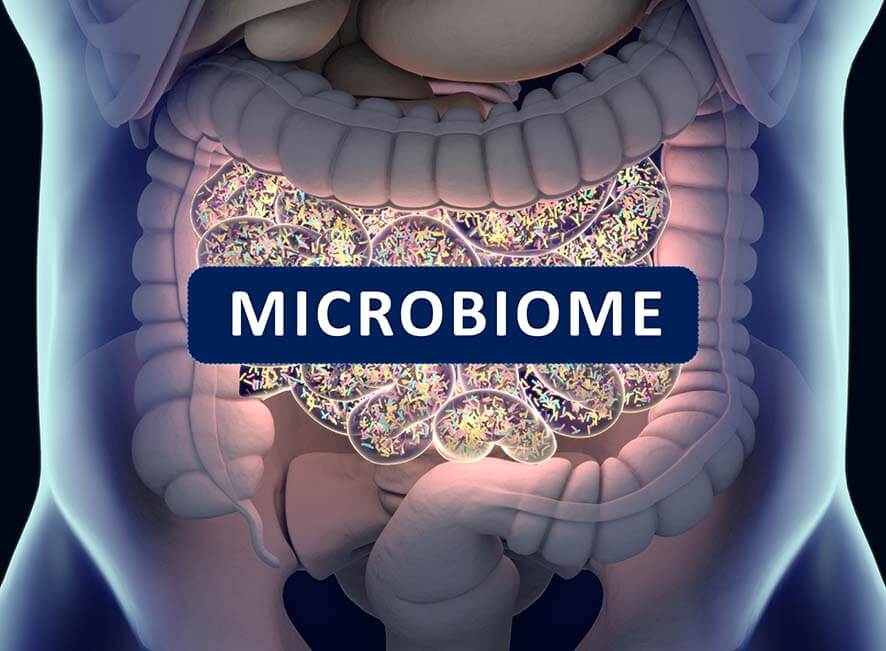
Gut health – why does it matter?

  • The gut microbiome refers to the trillions of bacteria, viruses and fungi that live in your gut. These bacteria can affect your risk of cardiovascular disease, mental wellbeing, body weight, immune regulation and digestion.
  • An unhealthy gut may contribute to sleep disturbances such as insomnia or poor sleep which over time can lead to chronic fatigue.
  • A troubled intestine can send distress signals to the brain, causing symptoms of anxiety, stress or depression.


70% of the body’s immune system can be found in the digestive track.

Having a wide variety of good bacteria in your gut can enhance the function of your immune system, improve symptoms of depression and help combat obesity.

A healthy gut has a protective barrier that keeps its contents (like microbiota or gut flora, undigested food particles and toxins) safely contained and prevents them from leaking into the bloodstream.

A healthy gut has several other important jobs, including helping to fight off infection, as well as performing all of its usual digestive and regulatory functions, like absorbing and synthesising nutrients that are essential for keeping your body running at its best.

Tips for a happy gut.

  1. Allow your food to digest properly: After eating, being in a relaxed state helps your body produce the gastric juices needed to properly break down and absorb food. Gastric juice is essential for the absorption of vitamins, minerals and the nutrients necessary to support both physical and mental health.
  2. Increase your fibre intake: Fibre helps to maintain the balance of beneficial gut bacteria. Fruit and vegetables (with the skin left on), oats, legumes, whole grains, nuts and seeds are all high in fibre.
  3. Eat probiotic fermented foods: Probiotic foods contain live bacteria that may help increase the diversity of your gut bacteria. Examples include natural yoghurt, kimchi, miso, kombucha and sauerkraut.
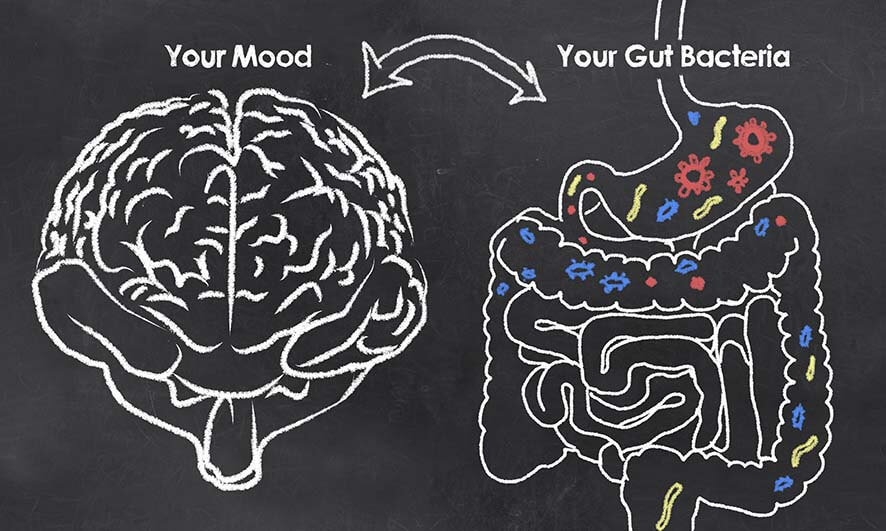



The brain/gut link. Healthy gut, healthy mind.

Have you ever felt ‘butterflies’ in your stomach? We use these expressions for a reason.

The brain and the gastrointestinal (GI) system are deeply connected, and the GI tract responds strongly to emotional shifts. This means that a troubled intestine can send signals to the brain, causing symptoms of anxiety, stress or depression. Your gut and brain are connected via three main areas:

  1. Via your nervous system.

Neurons are cells found in your brain and central nervous system that signal and guide how your body responds and behaves. There are approximately 100 billion neurons in the human brain. Your gut contains 500 million neurons, which are connected to your brain through nerves in your nervous system.

The vagus nerve is one of the longest nerves in the body connecting your gut and brain. It sends signals in both directions.

Research has found that the vagus nerve plays an important role in the gut-brain connection and stress regulation.

  1. Via neurotransmitters.

Your gut and brain are also connected through chemicals called neurotransmitters. Neurotransmitters produced in the brain control feelings and emotions. Interestingly, many of these neurotransmitters are also produced by your gut and the trillions of microbes living there.

  1. Via your immune system.

The gut and gut microbes play an important role in your immune system as well as controlling inflammation by processing what is passed into the body and what is excreted. If your immune system is switched on for too long, it can lead to inflammation, which is associated with a number of brain disorders such as Alzheimer’s disease and depression.


Protect your mind by watching what you eat.

Fermented foods are rich in probiotics and research shows that probiotic-rich diets help lower stress and improve overall gut health. Foods that have a negative impact on your gut health and mental wellbeing are:

  • Energy-dense (high kilojoule) processed foods
  • Foods high in added sugars and sodium (salt)
  • Artificial sweeteners – change the gut microbiome and may cause weight gain
  • Saturated and trans-fats – associated with leaky gut syndrome
  • Excessive alcohol consumption


Enhance your gut health with good food choice.

Research shows that gut microbiome can be changed for better or worse in as little as 24 hours. Having a wide variety of good bacteria in your gut can enhance the function of your immune system, improve symptoms of depression and help combat obesity.

Your gut microbiome is influenced by your lifestyle. While sleep, exercise and stress play a role, the food we eat plays the biggest role in developing a healthy environment for good bacteria to grow.

  1. Review your diet and look to include a diverse variety of food groups in each meal:
  • Fruit and vegetables. Consume a wide range of coloured fruits and vegetables for a variety of polyphenols, antioxidants and micronutrients.
  • Whole grains. Look for different types of rice, cereals and pasta.
  • A cheap food item and a great replacement for red meat. Consider lentils, chickpeas and beans.
  • Nuts and seeds. A great healthy snack.
  • Omega 3s. You can find this healthy nutrient in oily fish (salmon, sardines), chia and flax seeds, walnuts.
  • Poly-unsaturated fats. This healthy fat can be found in extra virgin olive oil and avocados.


  1. Try a combination of prebiotic and probiotic foods.

Prebiotics help the microbes already in your microbiome to grow by giving them the foods they like. Prebiotics are found in many fruits and vegetables containing complex carbohydrates, such as fibre. You may already have these foods in your pantry or fridge, including apples, bananas, berries, carrots, flax seed, garlic, oats and sweet potatoes.

Probiotics add living microbes directly to your microbiome to improve the balance of microorganisms. The most common type of probiotic food is yoghurt. Kombucha, kimchi, pickles and sauerkraut are other foods containing probiotics.

When you’re familiar with the variety of foods containing prebiotics and probiotics, you can easily incorporate these ingredients in your meals and favourite recipes.


Source: www.mayoclinichealthsystem.org/hometown-health/speaking-of-health/good-bacteria-for-your-gut