
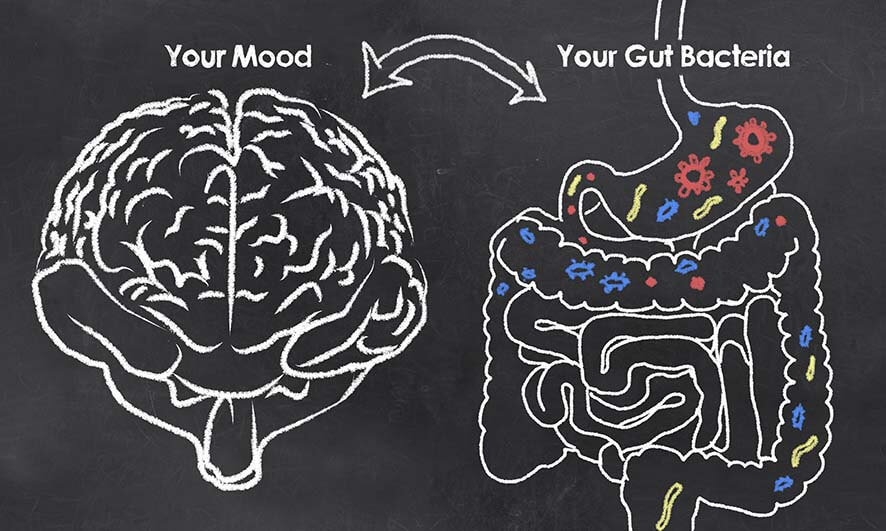
Have you ever felt ‘butterflies’ in your stomach? We use these expressions for a reason.
The brain and the gastrointestinal (GI) system are deeply connected, and the GI tract responds strongly to emotional shifts. This means that a troubled intestine can send signals to the brain, causing symptoms of anxiety, stress or depression. Your gut and brain are connected via three main areas:
- Via your nervous system.
Neurons are cells found in your brain and central nervous system that signal and guide how your body responds and behaves. There are approximately 100 billion neurons in the human brain. Your gut contains 500 million neurons, which are connected to your brain through nerves in your nervous system.
The vagus nerve is one of the longest nerves in the body connecting your gut and brain. It sends signals in both directions.
Research has found that the vagus nerve plays an important role in the gut-brain connection and stress regulation.
- Via neurotransmitters.
Your gut and brain are also connected through chemicals called neurotransmitters. Neurotransmitters produced in the brain control feelings and emotions. Interestingly, many of these neurotransmitters are also produced by your gut and the trillions of microbes living there.
- Via your immune system.
The gut and gut microbes play an important role in your immune system as well as controlling inflammation by processing what is passed into the body and what is excreted. If your immune system is switched on for too long, it can lead to inflammation, which is associated with a number of brain disorders such as Alzheimer’s disease and depression.
Protect your mind by watching what you eat.
Fermented foods are rich in probiotics and research shows that probiotic-rich diets help lower stress and improve overall gut health. Foods that have a negative impact on your gut health and mental wellbeing are:
- Energy-dense (high kilojoule) processed foods
- Foods high in added sugars and sodium (salt)
- Artificial sweeteners – change the gut microbiome and may cause weight gain
- Saturated and trans-fats – associated with leaky gut syndrome
- Excessive alcohol consumption