
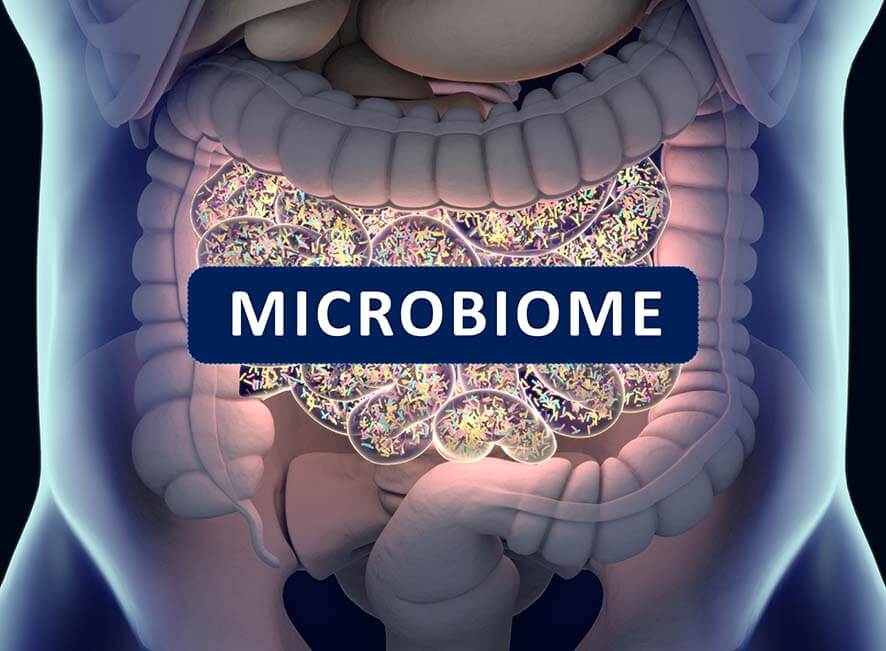
- The gut microbiome refers to the trillions of bacteria, viruses and fungi that live in your gut. These bacteria can affect your risk of cardiovascular disease, mental wellbeing, body weight, immune regulation and digestion.
- An unhealthy gut may contribute to sleep disturbances such as insomnia or poor sleep which over time can lead to chronic fatigue.
- A troubled intestine can send distress signals to the brain, causing symptoms of anxiety, stress or depression.
70% of the body’s immune system can be found in the digestive track.
Having a wide variety of good bacteria in your gut can enhance the function of your immune system, improve symptoms of depression and help combat obesity.
A healthy gut has a protective barrier that keeps its contents (like microbiota or gut flora, undigested food particles and toxins) safely contained and prevents them from leaking into the bloodstream.
A healthy gut has several other important jobs, including helping to fight off infection, as well as performing all of its usual digestive and regulatory functions, like absorbing and synthesising nutrients that are essential for keeping your body running at its best.
Tips for a happy gut.
- Allow your food to digest properly: After eating, being in a relaxed state helps your body produce the gastric juices needed to properly break down and absorb food. Gastric juice is essential for the absorption of vitamins, minerals and the nutrients necessary to support both physical and mental health.
- Increase your fibre intake: Fibre helps to maintain the balance of beneficial gut bacteria. Fruit and vegetables (with the skin left on), oats, legumes, whole grains, nuts and seeds are all high in fibre.
- Eat probiotic fermented foods: Probiotic foods contain live bacteria that may help increase the diversity of your gut bacteria. Examples include natural yoghurt, kimchi, miso, kombucha and sauerkraut.