
Research shows that gut microbiome can be changed for better or worse in as little as 24 hours. Having a wide variety of good bacteria in your gut can enhance the function of your immune system, improve symptoms of depression and help combat obesity.
Your gut microbiome is influenced by your lifestyle. While sleep, exercise and stress play a role, the food we eat plays the biggest role in developing a healthy environment for good bacteria to grow.
- Review your diet and look to include a diverse variety of food groups in each meal:
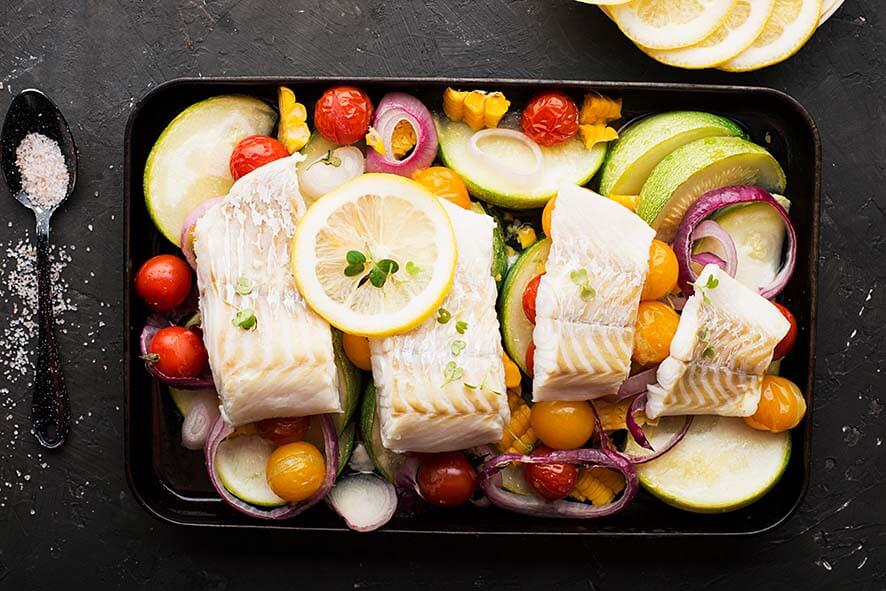
- Fruit and vegetables. Consume a wide range of coloured fruits and vegetables for a variety of polyphenols, antioxidants and micronutrients.
- Whole grains. Look for different types of rice, cereals and pasta.
- A cheap food item and a great replacement for red meat. Consider lentils, chickpeas and beans.
- Nuts and seeds. A great healthy snack.
- Omega 3s. You can find this healthy nutrient in oily fish (salmon, sardines), chia and flax seeds, walnuts.
- Poly-unsaturated fats. This healthy fat can be found in extra virgin olive oil and avocados.
- Try a combination of prebiotic and probiotic foods.
Prebiotics help the microbes already in your microbiome to grow by giving them the foods they like. Prebiotics are found in many fruits and vegetables containing complex carbohydrates, such as fibre. You may already have these foods in your pantry or fridge, including apples, bananas, berries, carrots, flax seed, garlic, oats and sweet potatoes.
Probiotics add living microbes directly to your microbiome to improve the balance of microorganisms. The most common type of probiotic food is yoghurt. Kombucha, kimchi, pickles and sauerkraut are other foods containing probiotics.
When you’re familiar with the variety of foods containing prebiotics and probiotics, you can easily incorporate these ingredients in your meals and favourite recipes.
Source: www.mayoclinichealthsystem.org/hometown-health/speaking-of-health/good-bacteria-for-your-gut